
Tesla Glide Shoes Review: Real or Fake? Does Tesla Flying or Levitating Shoes Really Exist?

Author: De-Reviews.com Team
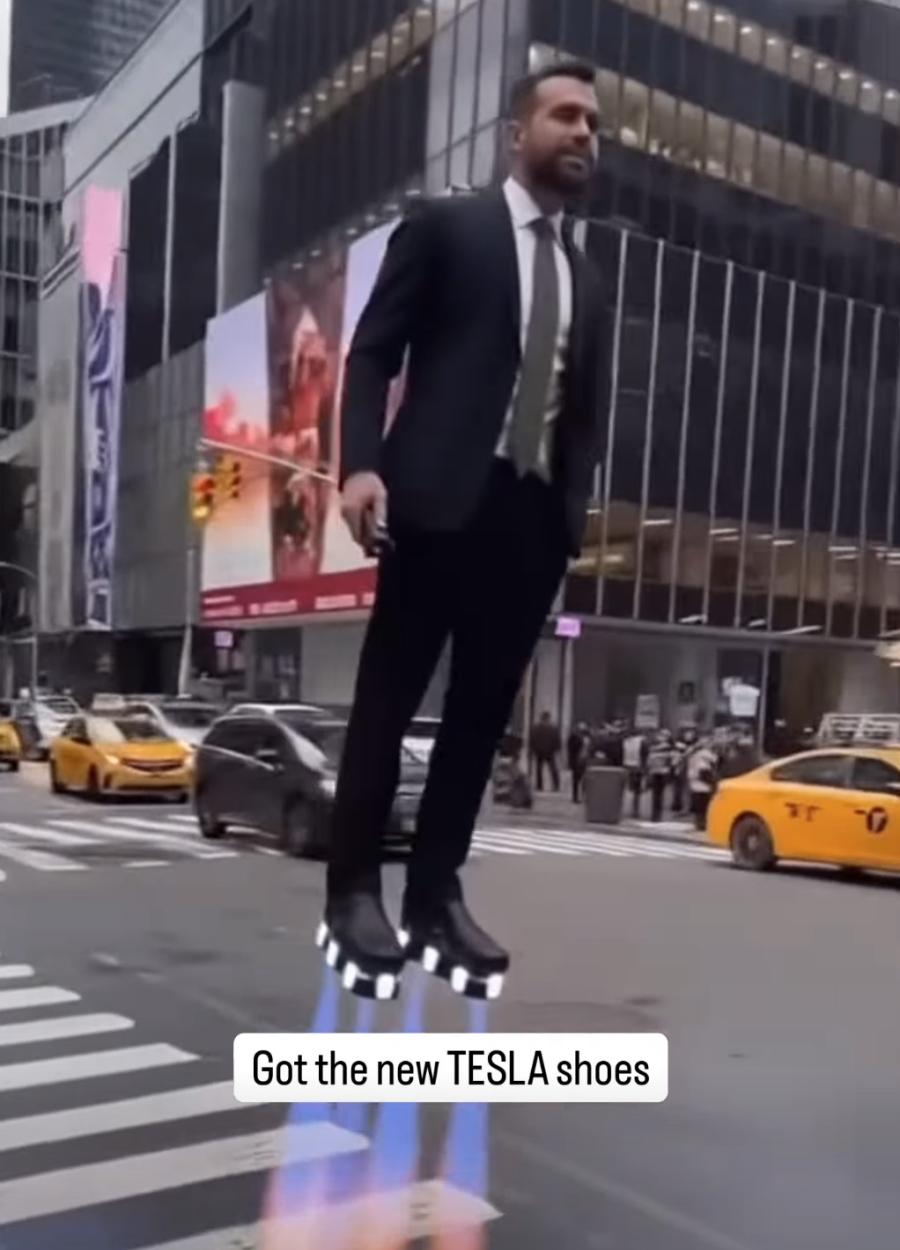
Lately, the internet has been flooded with videos of futuristic shoes, called Tesla Glide Shoes, that claim to let people float, hover, fly or glide above the ground. Some posts also named these shoes as Tesla Levitating Shoes or Tesla Smart Hover Shoes. While the clips are eye-catching and exciting, the reality behind these viral videos is very different from what they seem.
The videos have sparked curiosity and debate, with viewers wondering whether this is the next big breakthrough in wearable technology or if there’s something else behind these footages.
About The Viral Videos:
The footage shows individuals seemingly defying gravity, flying smoothly above stages and public spaces while wearing these shoes. At first glance, the clips look highly futuristic and almost like something out of a sci-fi movie.
Several Aspects of the Videos:
The wearer appears to hover effortlessly, gliding through the air.
Some clips include dramatic lighting or staged backgrounds.
These visual elements have helped the videos gain millions of views across platforms like TikTok, Instagram, and X.
Accounts Posting the Videos:
Most of the videos are shared by random social media accounts that have no official affiliation with Tesla. Some add Tesla logos or brand mentions to make the clips feel more authentic. The primary goal of these accounts seems to be engagement and virality, as opposed to accurately presenting real technology.

Market Availability of the Product:
This product is not available in the market, as Tesla has not announced or released any such product. There are no listings on Tesla’s official website, no verified retail sources, and no official channels selling or showcasing Tesla Glide Shoes or Flying Shoes.
Fact Checking:
Visual Inconsistencies:
There are noticeable irregularities in the videos, including shadows that don’t match the surroundings, unnatural foot movements, and body physics that defy real world behavior. These inconsistencies strongly hint at digital editing or manipulation.
AI and CGI Creation:
Expert analysis and fact checkers confirm that the videos are digitally generated using AI visuals and CGI, not actual technology. The smooth floating effects and hovering sequences are created through computer-generated imagery rather than physical prototypes.
Lack of Official Sources:
There are no Tesla press releases, patents, or official statements mentioning levitating, flying or gliding shoes. Tesla has not announced or developed any product resembling these viral clips.
AI Creation Cues on Social Media:
Some social media accounts, such as @Multiversematrix on Instagram, include hashtags like #AI and #Sora in video descriptions. This clearly suggests that the videos were generated using AI tools like Sora, a platform for creating realistic digital visuals.
No Credible Media Coverage:
A product as futuristic as Tesla Glide Shoes would likely generate significant media attention. However, there is no coverage from credible tech or news outlets, reinforcing that the product does not exist.
The Truth:
After analyzing the videos, examining the accounts posting them, and reviewing official Tesla sources, it becomes clear that Tesla Glide Shoes, also called Tesla Levitating Shoes or Tesla Smart Hover Shoes, do not exist in reality. The viral videos are AI-generated or digitally edited content, and Tesla has not announced, developed, or sold such a product till the date.
Experts note that AI-generated visuals and CGI can create highly realistic illusions, which is likely the case with the Tesla Glide Shoes videos.
While the clips are visually impressive and captivating, the shoes themselves are an internet illusion designed for entertainment and social media engagement, rather than an actual technological breakthrough.
Report a Scam!

Have you fallen for a hoax, bought a fake product? Report the site and warn others!
Scam Categories
Help & Info
Top Safety Picks
Your Go-To Tools for Online SafetyDisclaimer: Some of the links here are affiliate links. If you click them and make a purchase, we may earn a commission at no extra cost to you.
- ScamAdviser App - iOS : Your personal scam detector, on the go! Check website safety, report scams, and get instant alerts. Available on iOS
- ScamAdviser App - Android : Your personal scam detector, on the go! Check website safety, report scams, and get instant alerts. Available on Android.
- NordVPN : NordVPN keeps your connection private and secure whether you are at home, traveling, or streaming from another country. It protects your data, blocks unwanted ads and trackers, and helps you access your paid subscriptions anywhere. Try it Today!
- Incogni : Incogni automatically removes your personal data from data brokers that trade in personal information online, helping reduce scam and identity theft risks without the hassle of manual opt-outs. Reclaim your privacy now!
Popular Stories
As the influence of the internet rises, so does the prevalence of online scams. There are fraudsters making all kinds of claims to trap victims online - from fake investment opportunities to online stores - and the internet allows them to operate from any part of the world with anonymity. The ability to spot online scams is an important skill to have as the virtual world is increasingly becoming a part of every facet of our lives. The below tips will help you identify the signs which can indicate that a website could be a scam. Common Sense: Too Good To Be True When looking for goods online, a great deal can be very enticing. A Gucci bag or a new iPhone for half the price? Who wouldn’t want to grab such a deal? Scammers know this too and try to take advantage of the fact. If an online deal looks too good to be true, think twice and double-check things. The easiest way to do this is to simply check out the same product at competing websites (that you trust). If the difference in prices is huge, it might be better to double-check the rest of the website. Check Out the Social Media Links Social media is a core part of ecommerce businesses these days and consumers often expect online shops to have a social media presence. Scammers know this and often insert logos of social media sites on their websites. Scratching beneath the surface often reveals this fu
How do I recover my crypto after it’s stolen? What happens if your crypto wallet is compromised? Can stolen crypto be traced, and can police actually recover crypto in 2026? These are the questions most people ask within minutes of realizing their wallet has been drained. Crypto theft is fast, quiet, and unforgiving. By the time most victims notice something is wrong, the funds are already moving across the blockchain. Once seen as a problem for exchanges and whales, crypto theft now heavily affects everyday investors. Phishing links, fake support chats, wallet approval scams, SIM swaps, and malware attacks have become common. Knowing what recovery realistically looks like—and what it doesn’t—can prevent panic, bad decisions, and costly follow-up scams. In a Nutshell Crypto recovery is possible, but only in limited situations Blockchain transactions are irreversible, but stolen crypto can still be traced Speed and documentation matter more than optimism Police and exchanges play a bigger role than private recovery services Guaranteed recovery offers are almost always scams Is it Actually Possible to Recover Stolen Crypto? Yes, crypto recovery is possible, but only under specific conditions and rarely through direct action by the victim. Blockchain transactions are final by design. Once crypto is sent and confirmed, it cannot be reversed. There is no central authority, no chargeback process, and no technical “undo” button, even if the transaction was clearly fraudulent. This is where many people ask whether stolen crypto can be traced. In most cases, it can. Every transaction