
Posting Your Vaccine Card Online Could Expose You to Identity Theft
Author: Trend Micro
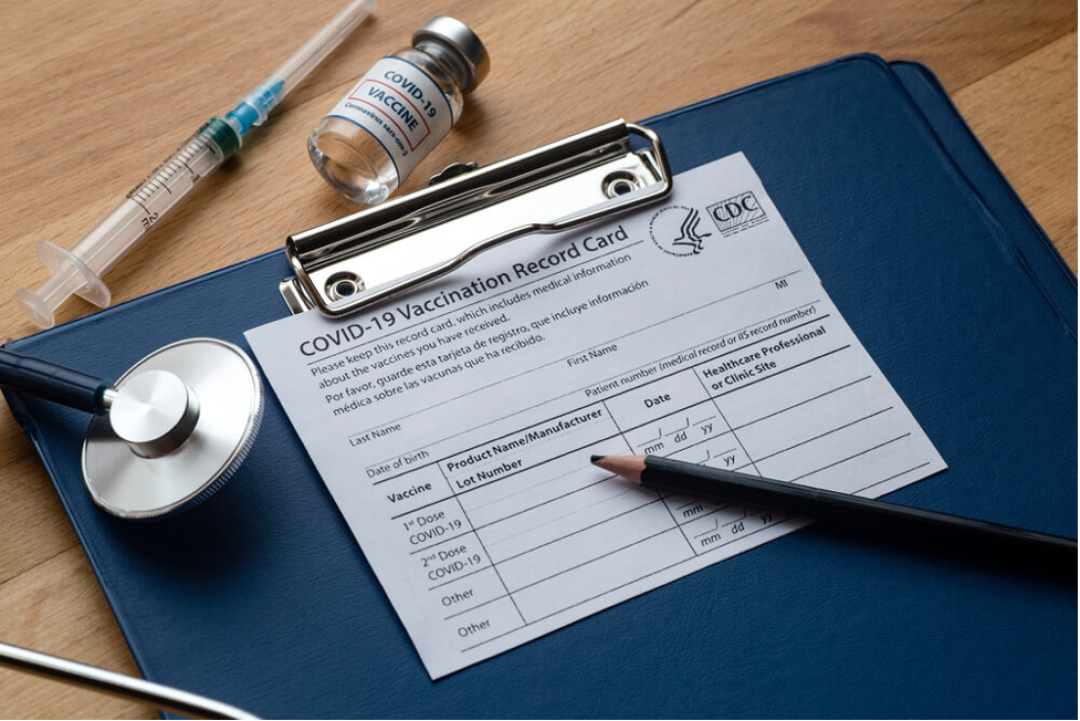
With vaccine programs rolling out with great success and restrictions beginning to loosen, the end of the COVID-19 pandemic in the US is truly in sight, and everyone is understandably elated. People have been flooding their social media feeds, sharing their experiences receiving the vaccine. Many people have posted selfies showing off the small mark left on their upper arm by the injection with great pride, and some have even shared the vaccination card they received. While great celebrations are absolutely called for, they should not come at the expense of the exposure of personal information.
What many of these people didn’t realize in the moment, is that by posting their vaccination cards online, they’ve inadvertently exposed themselves to identity theft. A vaccination card contains lots of personal information, including somebody’s full name, date of birth, and patient number— all immensely valuable information to a would-be identity thief.
Have you received the COVID-19 vaccine? Here are some things to consider before you post about it on social media:
1. Don’t overshare
Be sure that you are not sharing information on social media that could potentially jeopardize your privacy. It is inadvisable to post an unobscured picture of your vaccination card online. With your card having your full name, date of birth, as well as information about where you received the vaccine, posting a snap of it could make you an easy target for identity theft.
We’re not saying to not post about receiving the vaccine at all — it’s definitely something to be excited about, but if you’re going to post photos of your vaccination card, ensure that you cover your personal information with stickers or emojis.
2. Avoid helping the bad guys
Sharing your personal information isn’t the only issue, however. Posting photos of your vaccination card may help scammers produce and sell counterfeit cards. In the UK, scammers were caught selling fake vaccination cards on eBay and TikTok. The FBI reported that fake vaccine cards are on sale on social media and e-commerce platforms in the US and Canada. There are also concerns that posting medical information publicly could void your HIPAA protections.
3. Don’t give out your location
The built-in location sharing feature of your mobile device has its positives and negatives. On one hand, it’s really useful if you need to find your way around an unfamiliar city, or if you misplace your device and need to track its location. On the other hand, it can provide hackers with much more information than most of us would be comfortable sharing.
Many people have been tagging their locations in their vaccine-related social media posts. However, with cybercriminals already having proven that they’re more than willing to take advantage of the commotion caused by the COVID-19 pandemic, as well as the inherent security risks of freely sharing your location, it’s unquestionably prudent to disable your mobile device’s location sharing feature unless you really need it.
4. Check your social media privacy settings
It’s definitely not a good idea to expose the personal information on your vaccine card online, but it’s also essential to ensure that your social media privacy settings are configured appropriately. If you’re not sure about what information is publicly visible on your social media, you may be giving away more information than you would wish to.
Make sure the settings are configured to avoid sharing personal information with those you don’t know. Cybercriminals could sell your information on the dark web, or even use it to hack into your email and social media accounts. It’s best practice to configure your privacy settings so that only your friends and family can view the personal information on your social media accounts.
Better yet, why not leave your online privacy concerns in the hands of the professionals? Trend Micro Maximum Security and Trend Micro Mobile Security both have our Social Network Privacy feature that allows you to easily check how much information you’re sharing on Facebook, Twitter, and LinkedIn, enabling you to be sure that your privacy settings are configured just the way you want them!
We’ve all been vigilant about staying safe throughout the pandemic, and now with the light at the end of the tunnel fast approaching, it’s important that we don’t drop our guards and potentially expose ourselves to cybercrime. Please remember, it’s equally important to stay safe both online and offline!
Published in June 2021 by TREND MICRO
Report a Scam!

Have you fallen for a hoax, bought a fake product? Report the site and warn others!
Scam Categories
Help & Info
Top Safety Picks
Your Go-To Tools for Online SafetyDisclaimer: Some of the links here are affiliate links. If you click them and make a purchase, we may earn a commission at no extra cost to you.
- ScamAdviser App - iOS : Your personal scam detector, on the go! Check website safety, report scams, and get instant alerts. Available on iOS
- ScamAdviser App - Android : Your personal scam detector, on the go! Check website safety, report scams, and get instant alerts. Available on Android.
- NordVPN : NordVPN keeps your connection private and secure whether you are at home, traveling, or streaming from another country. It protects your data, blocks unwanted ads and trackers, and helps you access your paid subscriptions anywhere. Try it Today!
- Incogni : Incogni automatically removes your personal data from data brokers that trade in personal information online, helping reduce scam and identity theft risks without the hassle of manual opt-outs. Reclaim your privacy now!
Popular Stories
As the influence of the internet rises, so does the prevalence of online scams. There are fraudsters making all kinds of claims to trap victims online - from fake investment opportunities to online stores - and the internet allows them to operate from any part of the world with anonymity. The ability to spot online scams is an important skill to have as the virtual world is increasingly becoming a part of every facet of our lives. The below tips will help you identify the signs which can indicate that a website could be a scam. Common Sense: Too Good To Be True When looking for goods online, a great deal can be very enticing. A Gucci bag or a new iPhone for half the price? Who wouldn’t want to grab such a deal? Scammers know this too and try to take advantage of the fact. If an online deal looks too good to be true, think twice and double-check things. The easiest way to do this is to simply check out the same product at competing websites (that you trust). If the difference in prices is huge, it might be better to double-check the rest of the website. Check Out the Social Media Links Social media is a core part of ecommerce businesses these days and consumers often expect online shops to have a social media presence. Scammers know this and often insert logos of social media sites on their websites. Scratching beneath the surface often reveals this fu
How do I recover my crypto after it’s stolen? What happens if your crypto wallet is compromised? Can stolen crypto be traced, and can police actually recover crypto in 2026? These are the questions most people ask within minutes of realizing their wallet has been drained. Crypto theft is fast, quiet, and unforgiving. By the time most victims notice something is wrong, the funds are already moving across the blockchain. Once seen as a problem for exchanges and whales, crypto theft now heavily affects everyday investors. Phishing links, fake support chats, wallet approval scams, SIM swaps, and malware attacks have become common. Knowing what recovery realistically looks like—and what it doesn’t—can prevent panic, bad decisions, and costly follow-up scams. In a Nutshell Crypto recovery is possible, but only in limited situations Blockchain transactions are irreversible, but stolen crypto can still be traced Speed and documentation matter more than optimism Police and exchanges play a bigger role than private recovery services Guaranteed recovery offers are almost always scams Is it Actually Possible to Recover Stolen Crypto? Yes, crypto recovery is possible, but only under specific conditions and rarely through direct action by the victim. Blockchain transactions are final by design. Once crypto is sent and confirmed, it cannot be reversed. There is no central authority, no chargeback process, and no technical “undo” button, even if the transaction was clearly fraudulent. This is where many people ask whether stolen crypto can be traced. In most cases, it can. Every transaction