
Koaly AI Plush LifeLike Koala Review: Koaly Emotional Healing Toy Is Scam Or Legit?
Author: De-Reviews.com Team
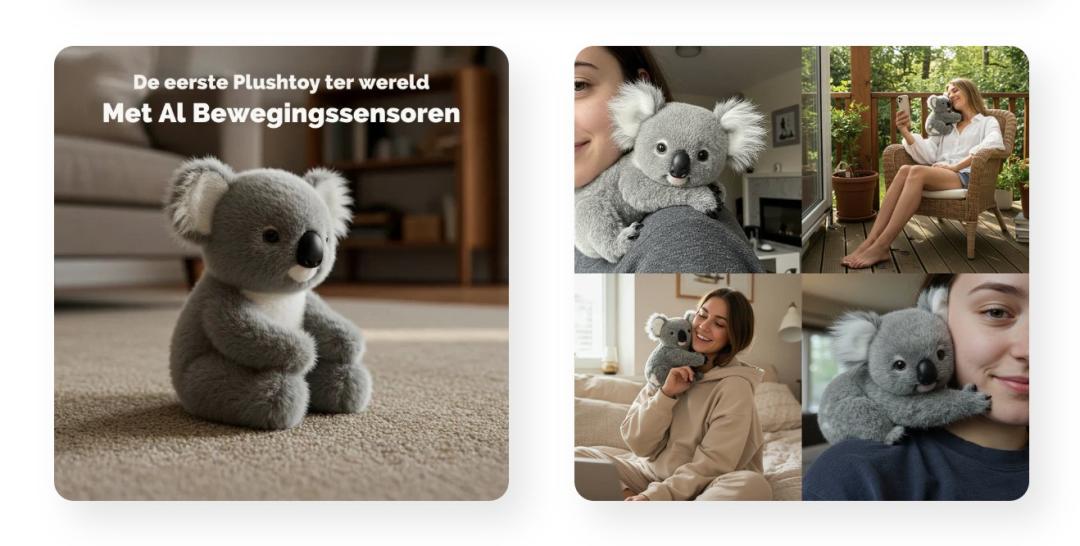
Many social media users have noticed frequent promotions for a product called Koaly AI Plush LifeLike Koala, also advertised under different names like Koaly Emotional Healing Toy or Koaly Realistic Koala. The video clips circulating online present a very advanced robotic pet, something that behaves almost like a small real animal. These clips show smooth walking movements, tail wagging, playful reactions, and what appears to be AI-based emotional responses.
However, once customers receive their orders, their experiences often differ from the advance features shown in these ads.

A Familiar Marketing Approach:
Products with similar promotional styles have already appeared before. They often highlight highly advanced robotics, but customers later report receiving simple plush toys instead.
Some well-known examples are:
- Waggy AI Robot Dog.
- WiggyDog Robot Puppy.
- NICOO Robot Puppy.
- Froplay Robot Puppy.
- Wuffy Robot Puppy.
- Pandy AI Plush.
- Pippin the Lifelike Penguin Plush.
- Bunby Realistic Bunny Toy.
- Daichy or Dachy 2.0 Realistic Dachshund Dog AI-Plush.
- Various “realistic” AI-based bunny, kitten, or puppy plush toys.
Koaly AI Plush LifeLike Koala appears to fit into this same category of toys that are marketed with impressive, high-tech demonstrations often showing smooth animations, complex reactions, or advanced AI-based behavior in their promotional videos.

Website Observations:
Several websites selling this Koaly Emotional Healing Toy share characteristics commonly seen on low information shopping sites:
- Repeated or generic website templates.
- Social media icons that don’t lead anywhere.
- Large percentage discounts used constantly.
- Company names with limited background details.
These elements don’t necessarily determine the outcome of a purchase, but they do reduce the amount of information available to buyers when evaluating the product.
What Buyers Have Reported?
Many customers say the item they received feels more like a soft stuffed animal toy rather than a plush toy equipped with robotics or AI.
Common points mentioned include:
- No visible robotic movement.
- No sensor based interaction.
- Features advertised online not present in the delivered item.
- A few buyers mention very light mechanical motion, but far from the behavior seen in the promotional videos.
Based on these reports, the product may not match the expectations created by the ads.
A Practical Way to View It:
The Koaly AI Plush LifeLike Koala may still serve as a regular plush toy, but the advanced technical abilities shown in promotional videos may not align with its actual build. Anyone considering purchasing it might find it more realistic to expect a standard plush toy rather than a fully interactive robotic companion.
Before placing an order, it may help to:
- Look through recent customer photos.
- Read reviews from multiple platforms.
- Compare prices and features with well-known robotic pet brands.
- Watch unboxing videos from independent sources.
- Check the credibility and transparency of the online seller.
If you want to see their promotional video, along with a detailed analysis and potential red flags, then you can check out the Koaly review video on the De-Reviews YouTube channel. The De-Reviews's video explains why these promotional videos of Koaly may raise concerns. Following these insights can help you set more realistic expectations.
What Doesn’t Match?
Creating a pet like robot with lifelike behavior generally requires advanced engineering, such as things like motors, sensors, processors, and specialized software.
Products with these elements usually come with:
- Higher pricing.
- Technical descriptions.
- Demonstrations or documentation.
- Clear specifications for buyers.
With Koaly AI Plush LifeLike Koala:
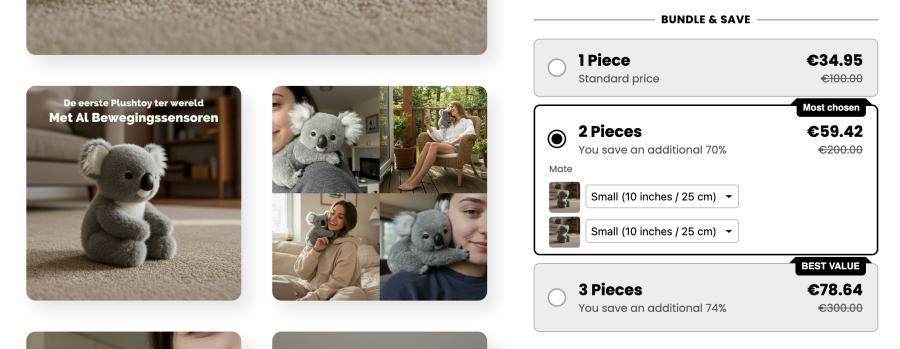
- The price point is much lower than similar high tech robotic pets.
- Heavy promotional discounts are used very frequently.
- There is no detailed technical information to support the advanced features shown in the ads.
Because of this, the product is unlikely to perform at the same level as the video demonstrations that have been circulating online.
Final Thoughts:
Koaly AI Plush LifeLike Koala is mainly for people who love cute, cuddly plush toys and aren’t expecting a full on robotic pet. Kids, plush collectors, or anyone who just wants a soft little buddy will likely enjoy it. Based on what real buyers have shared, it’s better to think of it as a cozy plush with a few basic movements or without any movements, but not the super advanced creature as shown in the promotional videos.
If you’re thinking about getting one, it helps to check real customer photos, read honest reviews, and compare it with well-known robotic pet brands. Watching unboxing videos or waiting for more user feedback can also give you a clearer picture of what the toy actually delivers.
In short, Koaly Realistic Koala works best for someone who wants a sweet, soft companion that offers minimal motion or no motion at all. As long as you keep your expectations realistic, it may be a delightful and comforting addition to any plush collection.
Disclaimer: This article has been written by a Scam Fighter Contributor. If you believe the article above contains inaccuracies or needs to include relevant information, please contact ScamAdviser.com using this form.
Report a Scam!

Have you fallen for a hoax, bought a fake product? Report the site and warn others!
Scam Categories
Help & Info
Top Safety Picks
Your Go-To Tools for Online SafetyDisclaimer: Some of the links here are affiliate links. If you click them and make a purchase, we may earn a commission at no extra cost to you.
- ScamAdviser App - iOS : Your personal scam detector, on the go! Check website safety, report scams, and get instant alerts. Available on iOS
- ScamAdviser App - Android : Your personal scam detector, on the go! Check website safety, report scams, and get instant alerts. Available on Android.
- NordVPN : NordVPN keeps your connection private and secure whether you are at home, traveling, or streaming from another country. It protects your data, blocks unwanted ads and trackers, and helps you access your paid subscriptions anywhere. Try it Today!
- Incogni : Incogni automatically removes your personal data from data brokers that trade in personal information online, helping reduce scam and identity theft risks without the hassle of manual opt-outs. Reclaim your privacy now!
Popular Stories
As the influence of the internet rises, so does the prevalence of online scams. There are fraudsters making all kinds of claims to trap victims online - from fake investment opportunities to online stores - and the internet allows them to operate from any part of the world with anonymity. The ability to spot online scams is an important skill to have as the virtual world is increasingly becoming a part of every facet of our lives. The below tips will help you identify the signs which can indicate that a website could be a scam. Common Sense: Too Good To Be True When looking for goods online, a great deal can be very enticing. A Gucci bag or a new iPhone for half the price? Who wouldn’t want to grab such a deal? Scammers know this too and try to take advantage of the fact. If an online deal looks too good to be true, think twice and double-check things. The easiest way to do this is to simply check out the same product at competing websites (that you trust). If the difference in prices is huge, it might be better to double-check the rest of the website. Check Out the Social Media Links Social media is a core part of ecommerce businesses these days and consumers often expect online shops to have a social media presence. Scammers know this and often insert logos of social media sites on their websites. Scratching beneath the surface often reveals this fu
How do I recover my crypto after it’s stolen? What happens if your crypto wallet is compromised? Can stolen crypto be traced, and can police actually recover crypto in 2026? These are the questions most people ask within minutes of realizing their wallet has been drained. Crypto theft is fast, quiet, and unforgiving. By the time most victims notice something is wrong, the funds are already moving across the blockchain. Once seen as a problem for exchanges and whales, crypto theft now heavily affects everyday investors. Phishing links, fake support chats, wallet approval scams, SIM swaps, and malware attacks have become common. Knowing what recovery realistically looks like—and what it doesn’t—can prevent panic, bad decisions, and costly follow-up scams. In a Nutshell Crypto recovery is possible, but only in limited situations Blockchain transactions are irreversible, but stolen crypto can still be traced Speed and documentation matter more than optimism Police and exchanges play a bigger role than private recovery services Guaranteed recovery offers are almost always scams Is it Actually Possible to Recover Stolen Crypto? Yes, crypto recovery is possible, but only under specific conditions and rarely through direct action by the victim. Blockchain transactions are final by design. Once crypto is sent and confirmed, it cannot be reversed. There is no central authority, no chargeback process, and no technical “undo” button, even if the transaction was clearly fraudulent. This is where many people ask whether stolen crypto can be traced. In most cases, it can. Every transaction