
Is Rin247.com Legit or a Scam?
Author: Adam Collins
Ever stumbled across a website that makes you scratch your head and wonder: “What is this even about?” That’s the exact feeling many people get when they land on Rin247.com. With little to no information floating around online, it’s hard to know whether it’s a hidden gem or just another online trap. Let’s dive in and break it down.
What Exactly is Rin247.com?
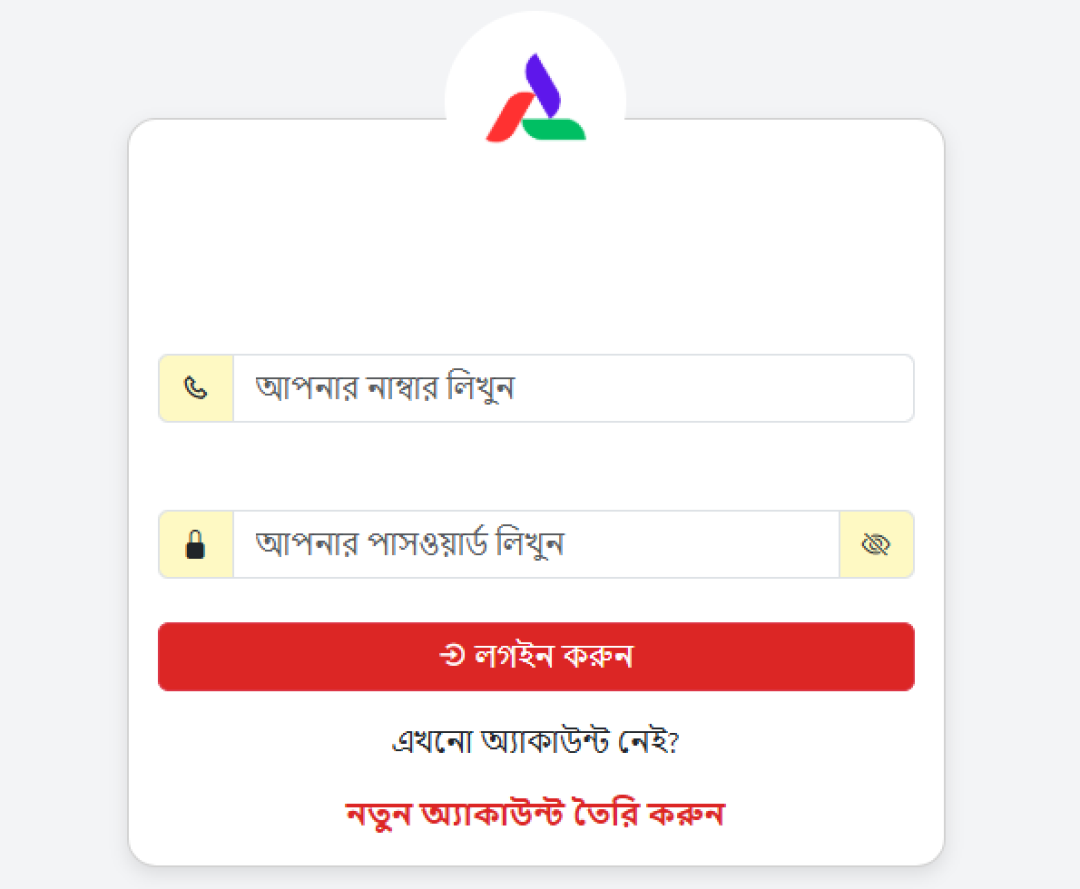
The short answer? Nobody really knows. Unlike most legitimate websites that proudly display their services, products, or even just a simple “About Us” page, Rin247.com greets you with… a login and registration form. That’s it.
There’s no background, no company profile, and no explanation of what the platform actually does.
The text on the site is in Bengali—phrases like “লগইন করুন” (Login) and “নতুন অ্যাকাউন্ট তৈরি করুন” (Create New Account) appear across the page. This strongly suggests that the website is targeting Bengali-speaking users.
But here’s the problem: without any public-facing pages explaining what Rin247.com is for, visitors are left guessing. And when money is involved, guessing is the last thing you want to do.
When Was Rin247.com Registered?
This is where things get even more concerning. According to Whois.com and ScamAdviser, Rin247.com was registered on July 25, 2025.
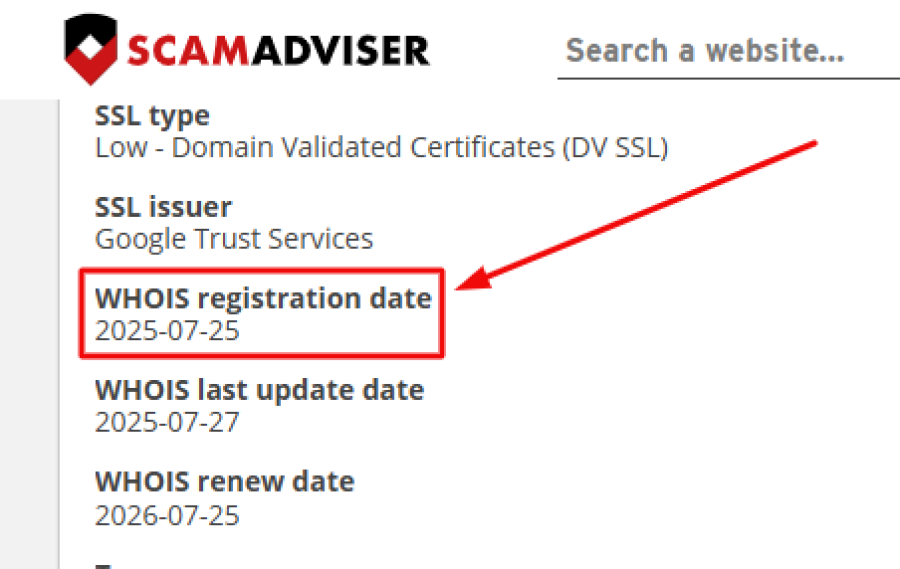
That makes it a very new site. Now, being new doesn’t always equal scam. After all, every website starts somewhere. But when a brand-new site pops up with no transparency, no company info, and no reviews, it raises eyebrows.
Think of it like this: would you hand over your personal details—or worse, your money—to a shop that just opened yesterday, with no signboard and no one to vouch for it? Probably not.
What Are People Saying About Rin247.com?
This is where it gets interesting. While there aren’t any official reviews on trusted platforms like Trustpilot or ScamAdviser, there is chatter on YouTube comments—and it’s not good news.
Here’s what some users had to say:


- “They took 2000 rupees as security from me but did not give the money.”
- “Brother, I am in trouble today, please help me. My father is sick, so I applied for a loan of 5000 rupees with 500 collateral, but he gave me 500 rupees.”
Ouch. That doesn’t exactly scream reliability. If real people are reporting losing money or being shortchanged, that’s a massive red flag.
So, Is Rin247.com Legit or a Scam?
Here’s the bottom line: while there isn’t much official information out there, the little we do know points towards Rin247.com being high risk.
- The site only has a login/registration page (no transparency).
- It was registered very recently (July 2025).
- There are no trusted reviews on major platforms.
- Early user feedback suggests people have lost money.
Put all these pieces together, and it doesn’t paint a pretty picture.
Final Thoughts
Rin247.com might be new, but new doesn’t automatically mean trustworthy. With zero transparency, no track record, and concerning user experiences already popping up, the safer choice is to exercise caution.
If you’re looking for financial services, loans, or online platforms to trust with your hard-earned money, stick to established companies with clear reputations. And remember: if a site feels sketchy, it probably is.
Download the ScamAdviser App to always stay protected.
Report a Scam!

Have you fallen for a hoax, bought a fake product? Report the site and warn others!
Scam Categories
Help & Info
Top Safety Picks
Your Go-To Tools for Online SafetyDisclaimer: Some of the links here are affiliate links. If you click them and make a purchase, we may earn a commission at no extra cost to you.
- ScamAdviser App - iOS : Your personal scam detector, on the go! Check website safety, report scams, and get instant alerts. Available on iOS
- ScamAdviser App - Android : Your personal scam detector, on the go! Check website safety, report scams, and get instant alerts. Available on Android.
- NordVPN : NordVPN keeps your connection private and secure whether you are at home, traveling, or streaming from another country. It protects your data, blocks unwanted ads and trackers, and helps you access your paid subscriptions anywhere. Try it Today!
- Incogni : Incogni automatically removes your personal data from data brokers that trade in personal information online, helping reduce scam and identity theft risks without the hassle of manual opt-outs. Reclaim your privacy now!
Popular Stories
As the influence of the internet rises, so does the prevalence of online scams. There are fraudsters making all kinds of claims to trap victims online - from fake investment opportunities to online stores - and the internet allows them to operate from any part of the world with anonymity. The ability to spot online scams is an important skill to have as the virtual world is increasingly becoming a part of every facet of our lives. The below tips will help you identify the signs which can indicate that a website could be a scam. Common Sense: Too Good To Be True When looking for goods online, a great deal can be very enticing. A Gucci bag or a new iPhone for half the price? Who wouldn’t want to grab such a deal? Scammers know this too and try to take advantage of the fact. If an online deal looks too good to be true, think twice and double-check things. The easiest way to do this is to simply check out the same product at competing websites (that you trust). If the difference in prices is huge, it might be better to double-check the rest of the website. Check Out the Social Media Links Social media is a core part of ecommerce businesses these days and consumers often expect online shops to have a social media presence. Scammers know this and often insert logos of social media sites on their websites. Scratching beneath the surface often reveals this fu
How do I recover my crypto after it’s stolen? What happens if your crypto wallet is compromised? Can stolen crypto be traced, and can police actually recover crypto in 2026? These are the questions most people ask within minutes of realizing their wallet has been drained. Crypto theft is fast, quiet, and unforgiving. By the time most victims notice something is wrong, the funds are already moving across the blockchain. Once seen as a problem for exchanges and whales, crypto theft now heavily affects everyday investors. Phishing links, fake support chats, wallet approval scams, SIM swaps, and malware attacks have become common. Knowing what recovery realistically looks like—and what it doesn’t—can prevent panic, bad decisions, and costly follow-up scams. In a Nutshell Crypto recovery is possible, but only in limited situations Blockchain transactions are irreversible, but stolen crypto can still be traced Speed and documentation matter more than optimism Police and exchanges play a bigger role than private recovery services Guaranteed recovery offers are almost always scams Is it Actually Possible to Recover Stolen Crypto? Yes, crypto recovery is possible, but only under specific conditions and rarely through direct action by the victim. Blockchain transactions are final by design. Once crypto is sent and confirmed, it cannot be reversed. There is no central authority, no chargeback process, and no technical “undo” button, even if the transaction was clearly fraudulent. This is where many people ask whether stolen crypto can be traced. In most cases, it can. Every transaction