
Is Nullester.com Legit or a Scam Website Offering Nulled PHP Scripts
Author: Adam Collins
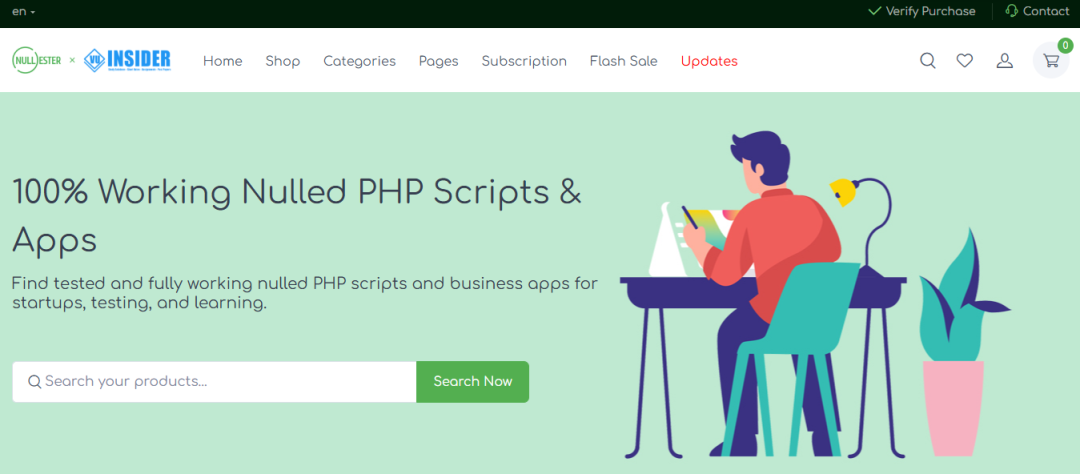
Nullester.com claims to offer “tested and fully working nulled PHP scripts and business apps for startups, testing, and learning.” But is this site actually what it says it is — or just another too-good-to-be-true deal?
In a nutshell:
- Claims to sell “nulled” PHP scripts, which are often pirated or unsafe.
- Domain is very new, raising questions about credibility.
- “About Us” page still has placeholder text (Lorem Ipsum) — looks incomplete.
- Listed address (487 West Ivy Street, Mason, OH) is a residential home, not a business.
- Almost every item is on discount with “sold” numbers that look inflated.
- Overall, too many red flags — proceed with extreme caution.
Is Nullester.com an Incomplete Site?
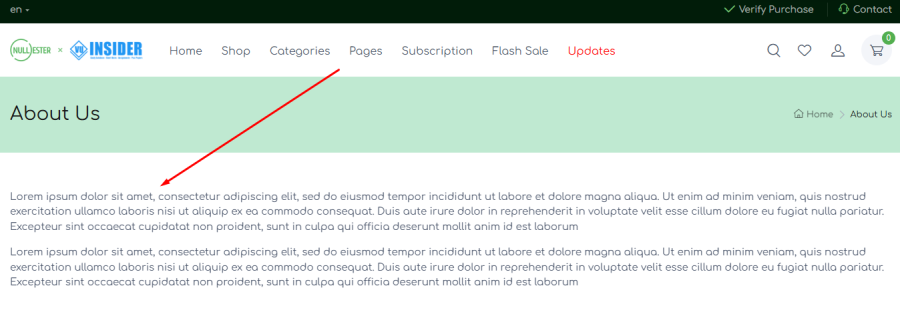
Yes. Their About Us page is unfinished, featuring the classic filler text “Lorem ipsum dolor sit amet…” — the kind developers use as a placeholder. A real business wouldn’t leave that up for long, but it's common with scam websites.
Where is Nullester.com Located?
According to their site, Nullester.com operates from 487 West Ivy Street, Mason, OH 45040.
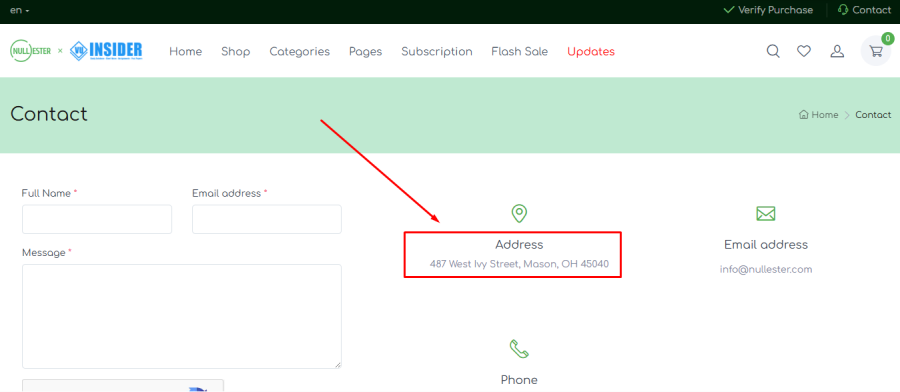
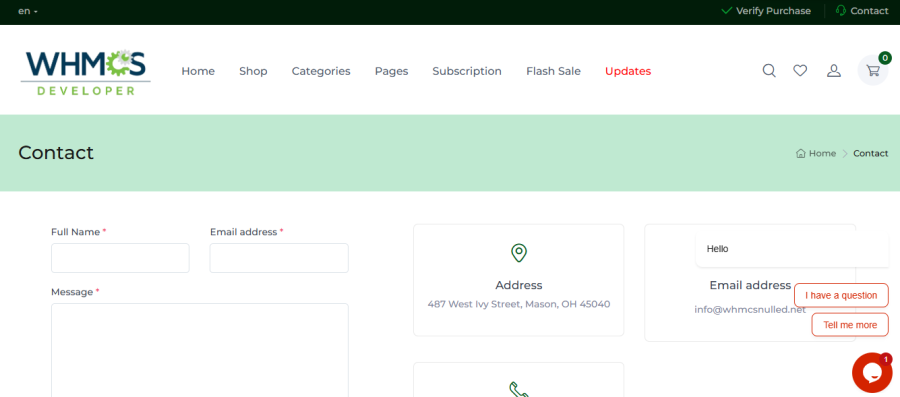
But when you check that address on Google Maps, there is no exact match and the closest it leads to is a residential neighborhood. To make it worse, another unrelated website uses the same address, hinting that the location might be copied or fake.
Discounts on All Products?
Every single item seems to be on sale, often with big markdowns and flashy “X sold” tags. That’s a common trick scam sites use to create fake urgency and trust. Real tech marketplaces rarely discount everything all the time.
Bottom Line: Is Nullester.com a Scam?
We have serious doubts about Nullester.com’s legitimacy.
From the unfinished pages and copied address to suspicious discounts and “nulled” script claims — nothing here screams trustworthy. Even if they say their scripts are for “testing,” downloading nulled software can expose your device to malware, data theft, or legal risks.
FAQs
Q: What does “nulled PHP script” mean?
A: “Nulled” scripts are cracked versions of paid software — likely distributed illegally. They may contain malware or backdoors, putting your security at risk.
Q: Is Nullester.com safe to use?
A: Given the red flags (new site, fake address, incomplete content), it’s risky to interact with this site.
Q: Why does it matter if the address is residential?
A: Legit businesses usually have verifiable offices. Fake or reused addresses often point to scam operations trying to look legitimate.
Q: Can I report suspicious sites like this?
A: Yes — you can report scam websites on platforms like ScamAdviser, FTC.gov, or your local consumer protection agency.
On the go? Download the ScamAdviser app and instantly check if a website is real or a scam — anytime, anywhere.
This article has been written by a scam fighter volunteer. If you believe the article above contains inaccuracies or needs to include relevant information, please contact ScamAdviser.com using this form.

Report a Scam!

Have you fallen for a hoax, bought a fake product? Report the site and warn others!
Scam Categories
Help & Info
Top Safety Picks
Your Go-To Tools for Online SafetyDisclaimer: Some of the links here are affiliate links. If you click them and make a purchase, we may earn a commission at no extra cost to you.
- ScamAdviser App : That site looks legit. That's exactly how they get you. Modern scams are frighteningly convincing. ScamAdviser scans sites and blocks fraud calls automatically. Free on iOS & Android.
- NordVPN : NordVPN delivers powerful, seamless protection for your online life - whether you're at home, on public Wi-Fi, or traveling abroad. Recognized as one of the fastest VPN services available, it combines lightning-fast speeds with advanced encryption to keep
- Incogni : Incogni automatically removes your personal data from data brokers that trade in personal information online, helping reduce scam and identity theft risks without the hassle of manual opt-outs. Reclaim your privacy now!
- Private Internet Access (PIA) : PIA gives you a no-logs VPN built on the latest encryption standards and WireGuard protocol — meaning your browsing activity stays yours alone. Fast, private, and transparent. Take back your privacy today!
- Surfshark VPN : One subscription, unlimited devices. Surfshark is the fastest VPN out there — covering your phone, laptop, tablet and more with a stable, secure connection for browsing, streaming and working. Get Surfshark now!
- Proton VPN : Independently audited and built with a strict no-logs policy, Proton VPN is trusted by over 3 million users worldwide. It’s been named Best VPN by Wired, PCMag, and Vice—offering strong encryption for anyone who takes their privacy seriously. Give Proton
- Mysterium VPN : MysteriumVPN gives you real privacy without relying on a single company to protect it. Built on a decentralized network of independent nodes across the globe, it hides your traffic from ISPs, trackers, and the VPN provider itself. Choose data center IPs f
Popular Stories
In a nutshell: A good VPN protects your privacy with strong encryption, a strict no-logs policy, and fast protocols like WireGuard. The best VPNs also offer wide server coverage, leak protection, and easy-to-use apps for all devices. For 2025, the top providers are NordVPN, ExpressVPN, Surfshark, Proton VPN, Private Internet Access, CyberGhost, and Mullvad—each excelling in speed, security, or value. In an age where every click is tracked, a Virtual Private Network (VPN) is no longer just a luxury—it's an essential tool for digital privacy and security. A VPN works by creating a secure, encrypted tunnel between your device and the internet, masking your real IP address and protecting your sensitive data from prying eyes. But with hundreds of providers out there, how do you sort the secure from the suspect? This guide breaks down the non-negotiable features of a quality VPN and highlights the 7 top-rated services for 2025. What to Look for in a Good VPN: The 4 Non-Negotiable Pillars 1. Ironclad Security Features Strong Encryption: AES-256, the gold standard. Secure Protocols: OpenVPN, WireGuard, NordLynx, Lightway. Avoid PPTP. Kill Switch: Ensures no accidental IP leaks. Leak Protection: Covers DNS, IPv6, and WebRTC. 2. Verified Privacy Practices No-Logs Policy: No activity or metadata tracking. Independent Audits: Verification by third parties. Safe Jurisdiction: Prefer countries outside the 5/9/14 Eyes alliances. 3. High-Speed Performance Fast Protocols: WireGuard and equivalents. Large Server Network: Less crowding, more reliable speeds. 4. Essential Usability Features Multi-Device Apps: Windows, Mac, iOS, Android, routers. Simultaneous Connections: One account, many devices. Unblocking Power: Netflix, Hulu, BBC
This article has been updated by Jamie James on June 9 with the latest data and analysis we have found using real user reports and experiences submitted to ScamAdviser. Just received that terrifying notification? Or perhaps you've noticed suspicious activity in your accounts? Take a deep breath. Your email, password, phone number, home address, payment details, or identity documents may now be in places you cannot control. But the next steps do not have to be confusing. What matters most is how quickly you act, order, and know which exposed data creates the biggest risk. This guide explains what to do after a data breach, how to check the damage, and how to protect yourself from identity theft, account takeover, and follow-up scams. Quick Summary Verify the data breach notice through the company’s official website before clicking any links. Secure your primary email account first because it controls many password resets. Change the exposed password and every reused or similar password. Enable multi-factor authentication on email, banking, payment, cloud, and social accounts. Contact your bank or card issuer if payment or bank account details were exposed. Freeze or protect your credit if sensitive identity information was compromised. Watch for phishing messages, fake refund offers, and scam websites that use your leaked details. Starting with Data Breach Numbers The numbers don't lie: according to a 2024 report, the number of data breach victim notices has grown by a staggering 211% year-over-year. This isn't just a distant threat; it's a stark reality many individuals fa