
HP Fuel Capsule Real or Fake? Does HP Fuel Capsule Exist?
Author: De-Reviews.com Team
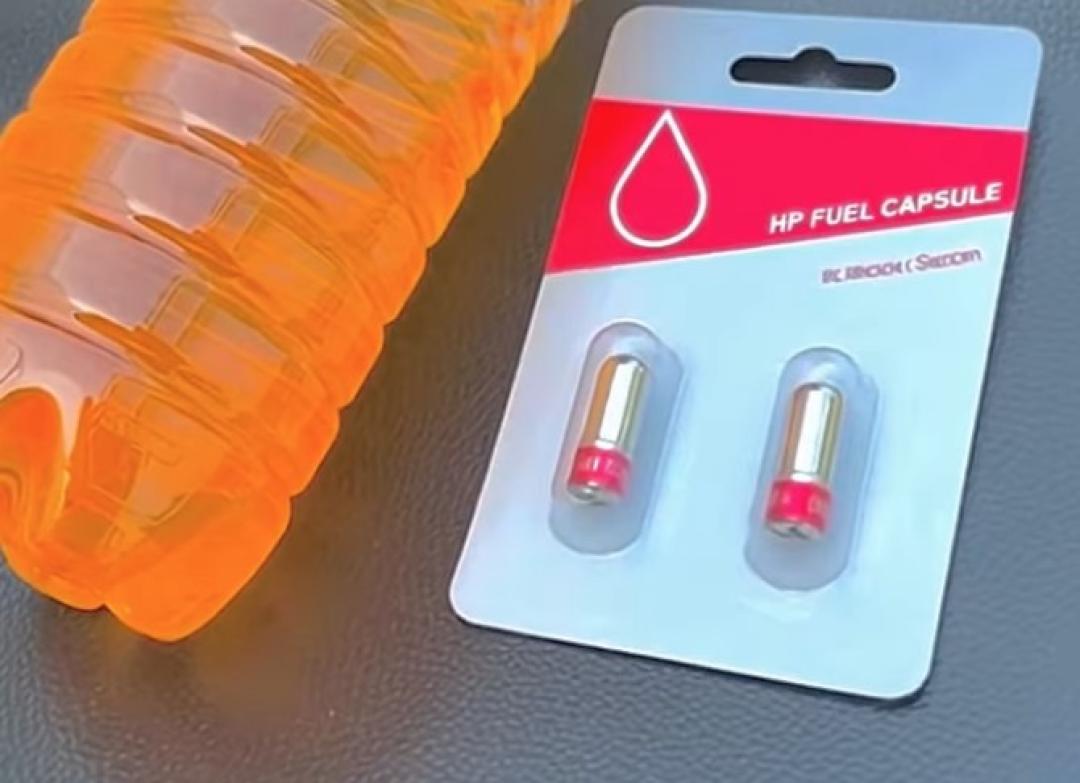
Social media is currently buzzing with videos claiming that a product called HP Fuel Capsule can convert ordinary water into usable fuel like petrol and diesel. These clips often show someone adding a small capsule in a vehicle’s fuel tank with water, and then demonstrating that the vehicle starts and runs normally. The idea seems revolutionary, and many viewers are intrigued. While the idea may sound exciting, it’s important to look at the facts before trusting these unverified claims.
What the Videos Show?
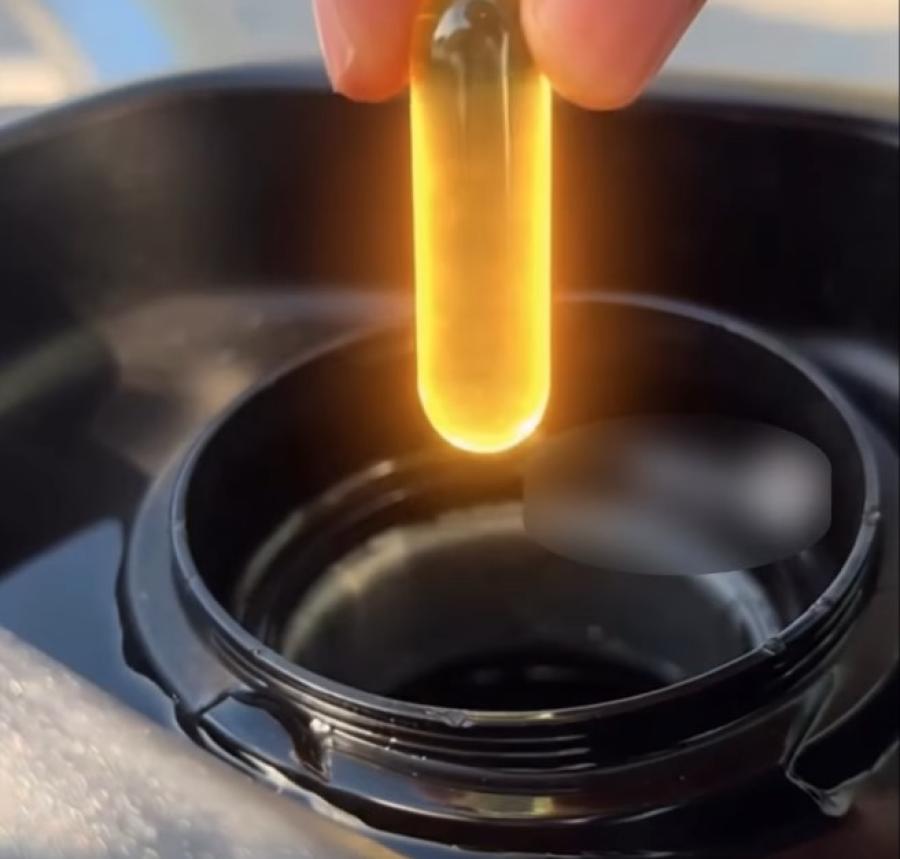
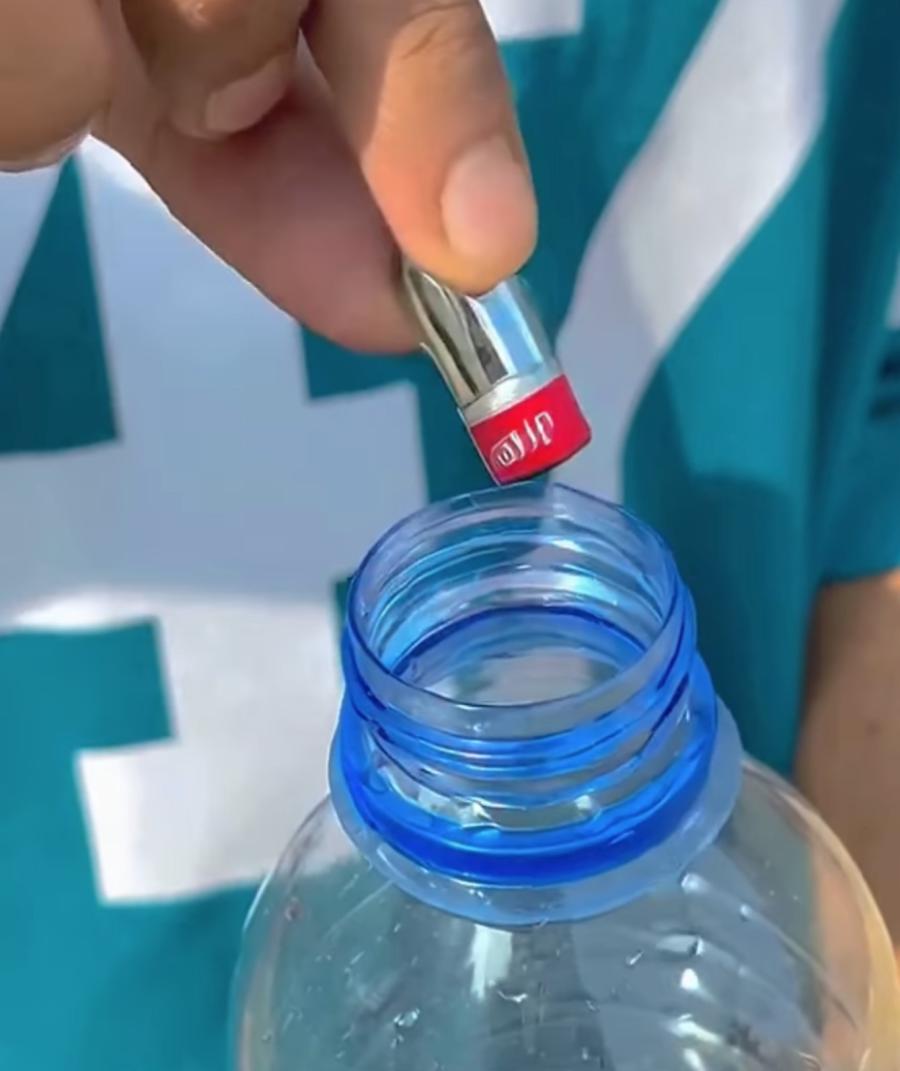
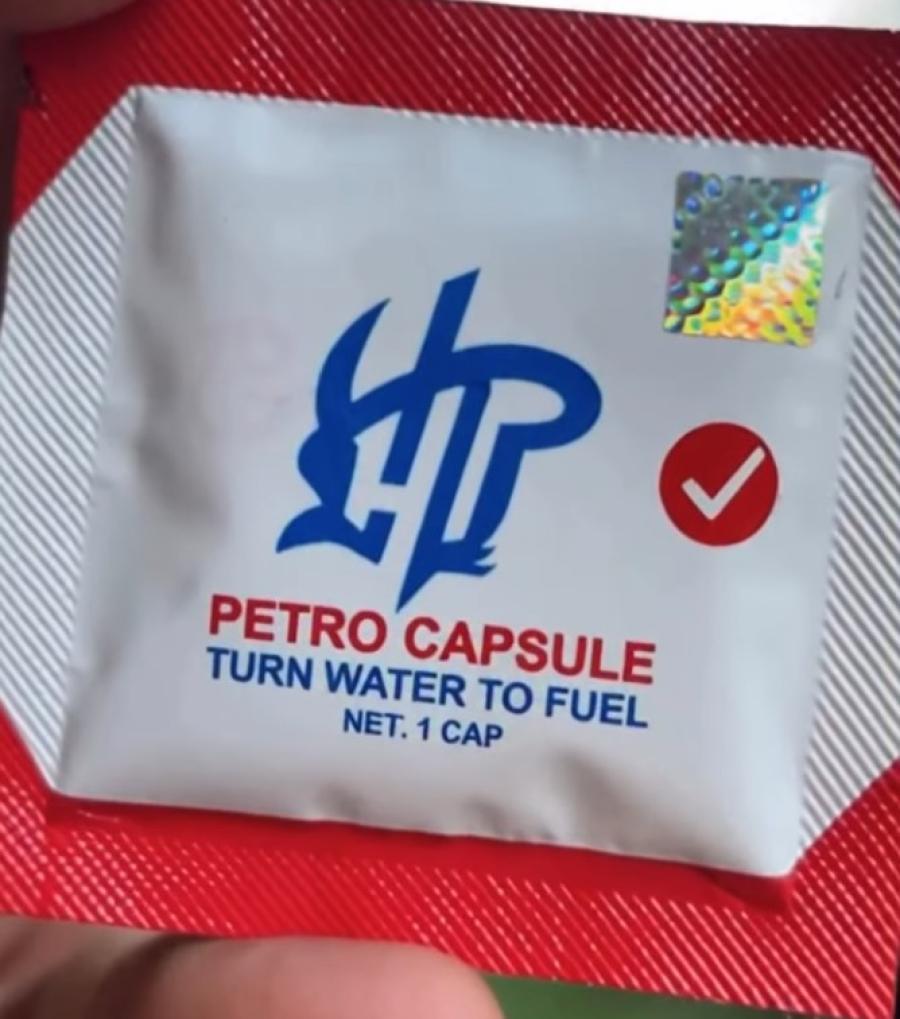
The videos generally follow a similar pattern, a capsule labeled as HP Fuel Capsule is added into a fuel tank with water. The liquid changes color, giving the impression that it has transformed into fuel. Some videos even show vehicles running after the supposed conversion. The presentations are designed to look like a breakthrough in fuel technology, but no credible scientific explanation or verifiable testing is provided. The clips rely purely on visual effects to create the illusion.
HPCL Denies Any Such Product:
To address confusion caused by the use of the “HP” name, Hindustan Petroleum Corporation Limited (HPCL) has issued a clarification on its official Facebook page. The company clearly stated that it does not manufacture, sell, or endorse any product that converts water into fuel. HPCL specifically confirmed that:
- There is no HP Diesel Capsule.
- There is no HP Petrol Capsule.
- There is no HP Fuel Capsule.
This official statement directly contradicts the viral claims, making it clear that the so called HP Fuel Capsule is not a legitimate product.
Why Water Cannot Be Converted Into Diesel?
Fuel like petrol and diesel are produced from crude oil through complex refining processes that require specialized equipment, controlled chemical reactions, and significant energy. Water, on the other hand, is not a fuel and contains no usable chemical energy for combustion. Transforming water into such fuels would require advanced chemical processes and substantial external energy input, which is impossible to achieve inside a vehicle’s fuel tank or with a tiny capsule.
Fuel Additives Are Not Magic:
Some viewers might assume the capsule is simply a fuel additive. While genuine diesel or petrol additives exist but their function is limited to cleaning injectors, reducing deposits, and improving fuel stability. They do not generate fuel or allow engines to run on water. In fact, water in diesel or petrol tanks can be extremely harmful, leading to engine hesitation, injector damage, corrosion, and poor combustion. This is further proof that the concept of turning water into diesel inside a vehicle is unrealistic.
AI-Generated Videos Add to Confusion:
A key reason why these videos appear convincing is that many of them are AI-generated or digitally manipulated. Creators sometimes mention in their video descriptions that the content is artificial, but most viewers do not read these disclaimers. As a result, fictional demonstrations are often mistaken for real experiments. Similar claims about HP Petrol Capsules and HP Diesel Capsules have circulated before and were debunked for the same reasons, making this current trend nothing new.
The Verdict:
There is no verified evidence to support the existence of an HP Fuel Capsule that can convert water into diesel or petrol. The claim contradicts basic scientific principles, and HPCL has officially denied such products. Most viral videos promoting this idea rely on digital effects or AI-generated content to appear believable.
Until proper laboratory testing, independent verification, and official confirmation from recognized authorities are available, these claims should be viewed with extreme skepticism.
Trying to use unverified products could lead to financial loss, vehicle damage, or safety risks, so it is strongly advised to ignore such misleading videos.
Report a Scam!

Have you fallen for a hoax, bought a fake product? Report the site and warn others!
Scam Categories
Help & Info
Top Safety Picks
Your Go-To Tools for Online SafetyDisclaimer: Some of the links here are affiliate links. If you click them and make a purchase, we may earn a commission at no extra cost to you.
- ScamAdviser App - iOS : Your personal scam detector, on the go! Check website safety, report scams, and get instant alerts. Available on iOS
- ScamAdviser App - Android : Your personal scam detector, on the go! Check website safety, report scams, and get instant alerts. Available on Android.
- NordVPN : NordVPN keeps your connection private and secure whether you are at home, traveling, or streaming from another country. It protects your data, blocks unwanted ads and trackers, and helps you access your paid subscriptions anywhere. Try it Today!
- Incogni : Incogni automatically removes your personal data from data brokers that trade in personal information online, helping reduce scam and identity theft risks without the hassle of manual opt-outs. Reclaim your privacy now!
Popular Stories
As the influence of the internet rises, so does the prevalence of online scams. There are fraudsters making all kinds of claims to trap victims online - from fake investment opportunities to online stores - and the internet allows them to operate from any part of the world with anonymity. The ability to spot online scams is an important skill to have as the virtual world is increasingly becoming a part of every facet of our lives. The below tips will help you identify the signs which can indicate that a website could be a scam. Common Sense: Too Good To Be True When looking for goods online, a great deal can be very enticing. A Gucci bag or a new iPhone for half the price? Who wouldn’t want to grab such a deal? Scammers know this too and try to take advantage of the fact. If an online deal looks too good to be true, think twice and double-check things. The easiest way to do this is to simply check out the same product at competing websites (that you trust). If the difference in prices is huge, it might be better to double-check the rest of the website. Check Out the Social Media Links Social media is a core part of ecommerce businesses these days and consumers often expect online shops to have a social media presence. Scammers know this and often insert logos of social media sites on their websites. Scratching beneath the surface often reveals this fu
How do I recover my crypto after it’s stolen? What happens if your crypto wallet is compromised? Can stolen crypto be traced, and can police actually recover crypto in 2026? These are the questions most people ask within minutes of realizing their wallet has been drained. Crypto theft is fast, quiet, and unforgiving. By the time most victims notice something is wrong, the funds are already moving across the blockchain. Once seen as a problem for exchanges and whales, crypto theft now heavily affects everyday investors. Phishing links, fake support chats, wallet approval scams, SIM swaps, and malware attacks have become common. Knowing what recovery realistically looks like—and what it doesn’t—can prevent panic, bad decisions, and costly follow-up scams. In a Nutshell Crypto recovery is possible, but only in limited situations Blockchain transactions are irreversible, but stolen crypto can still be traced Speed and documentation matter more than optimism Police and exchanges play a bigger role than private recovery services Guaranteed recovery offers are almost always scams Is it Actually Possible to Recover Stolen Crypto? Yes, crypto recovery is possible, but only under specific conditions and rarely through direct action by the victim. Blockchain transactions are final by design. Once crypto is sent and confirmed, it cannot be reversed. There is no central authority, no chargeback process, and no technical “undo” button, even if the transaction was clearly fraudulent. This is where many people ask whether stolen crypto can be traced. In most cases, it can. Every transaction