
From WhatsApp to TikTok — How Scams Spread on Social Media
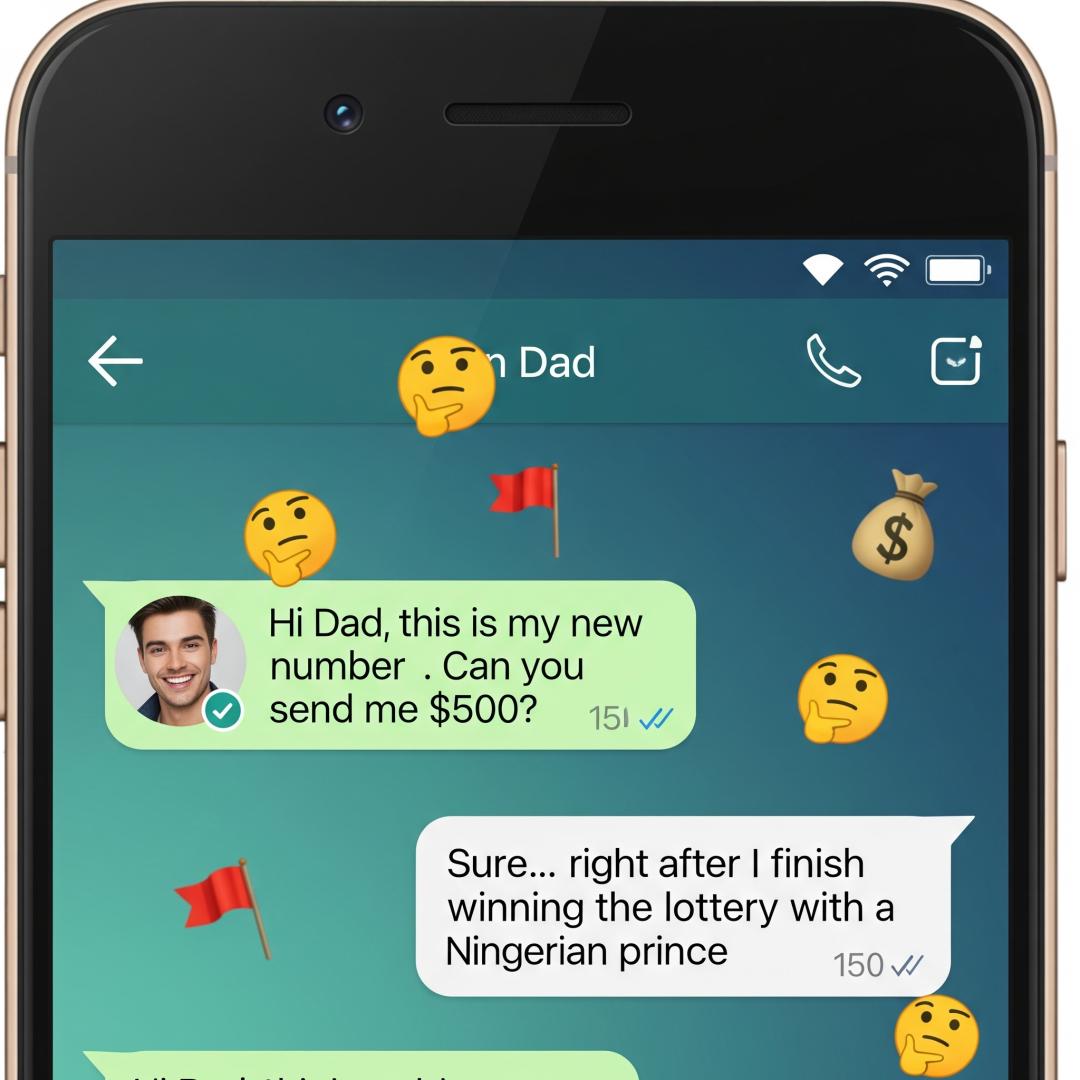
Author: Adam Collins
We used to think scams came in the form of dodgy emails with too many exclamation marks and a random prince offering you millions. Those days are gone.
Now, scammers have moved into your favorite hangout spots — TikTok, Instagram, WhatsApp, Facebook — and they’re blending in so well you might not notice them until it’s too late.
And here’s the scary part: people are spending more time on social media than ever. In 2024, the average person spends around 2 hours and 23 minutes a day scrolling, liking, and sharing. In some countries, that number jumps past 4 hours daily. More time online = more opportunities for scammers to slide into your feed or DMs.
Social media scams are no longer limited to simple phishing emails; they’ve evolved into a complex web of impersonation, financial manipulation, and psychological tactics — using the unique features of each platform to reach a wider audience.
Here are some of the scams making the rounds right now:
TikTok Scams — Fast Videos, Faster Scams
TikTok is all about quick, engaging content — which makes it perfect for scammers to hook you in seconds. One of the most dangerous schemes here is the pig butchering scam (named for the way scammers “fatten up” victims before the final hit).
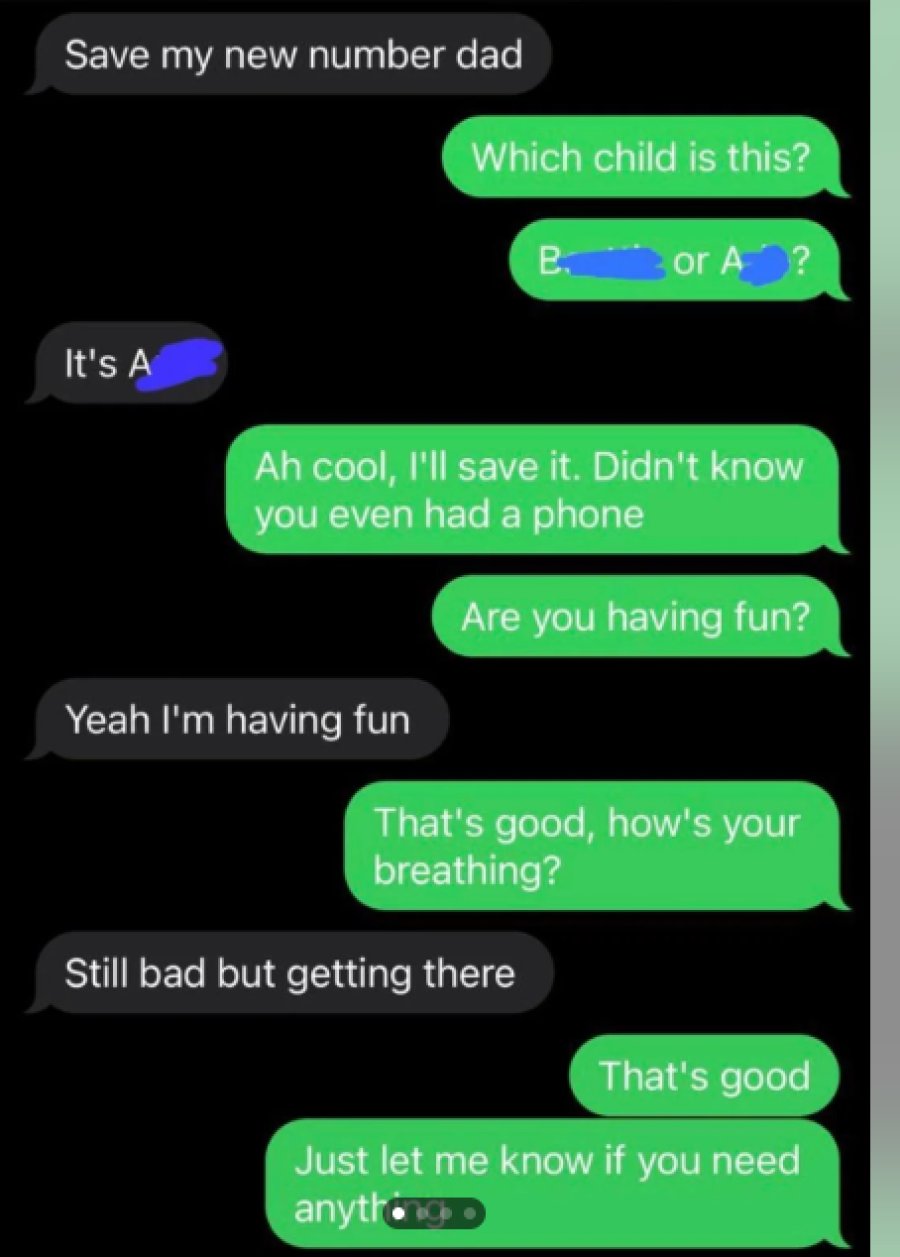
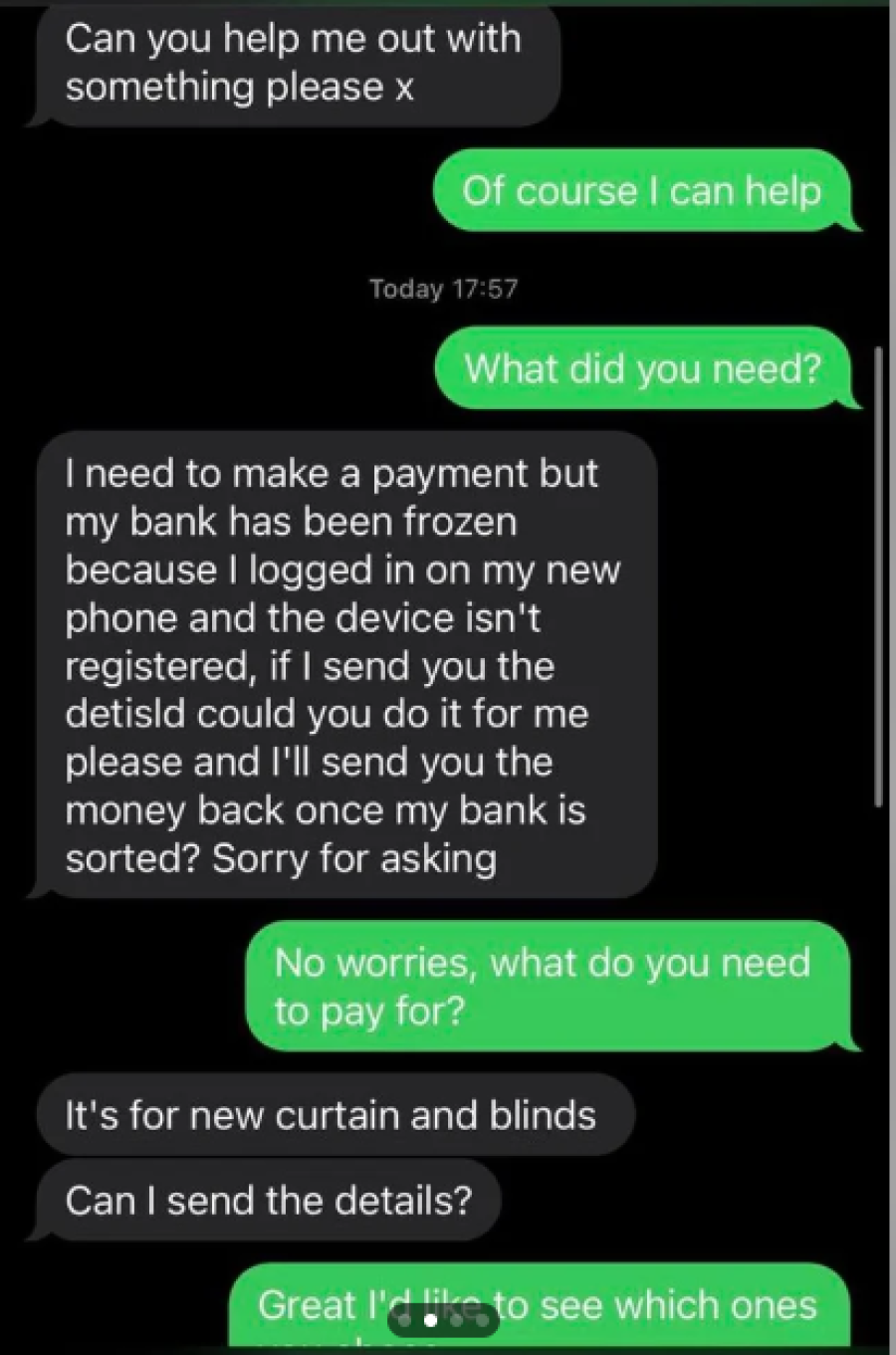
Source: Reddit
How it started
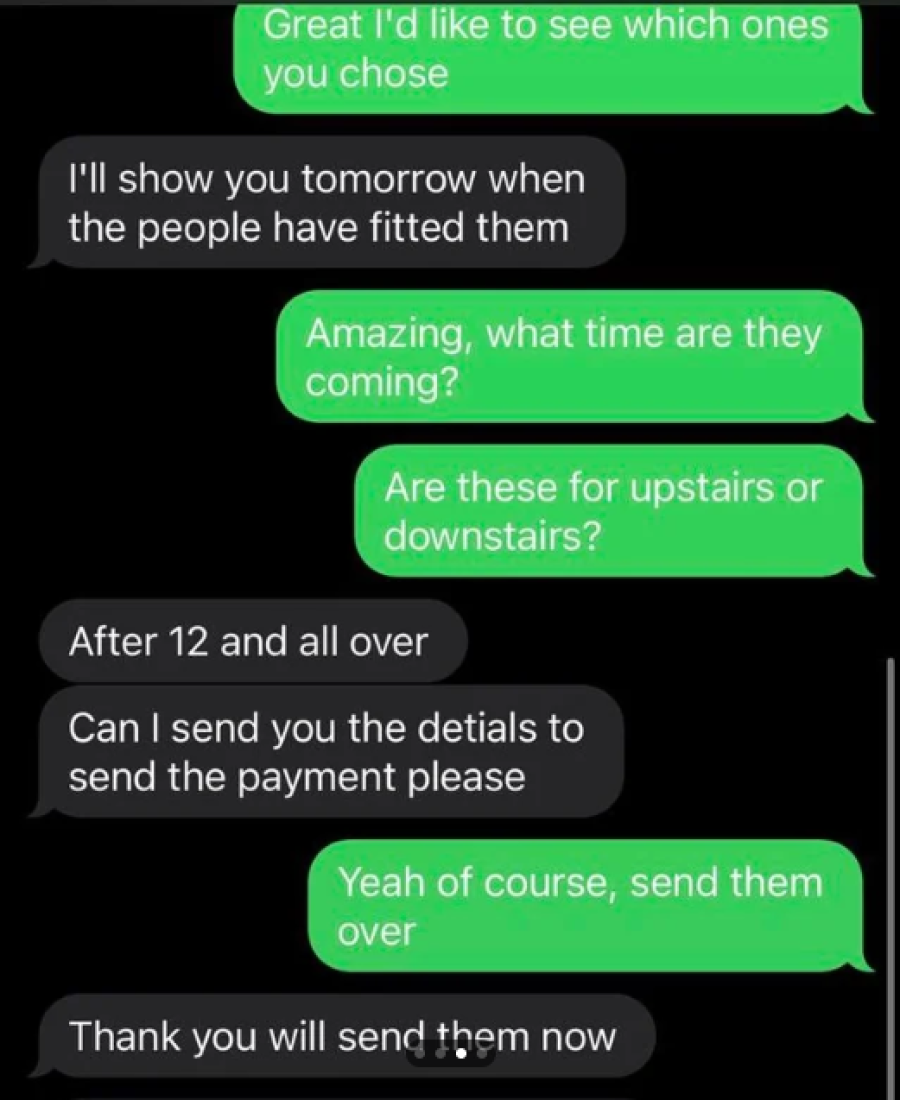
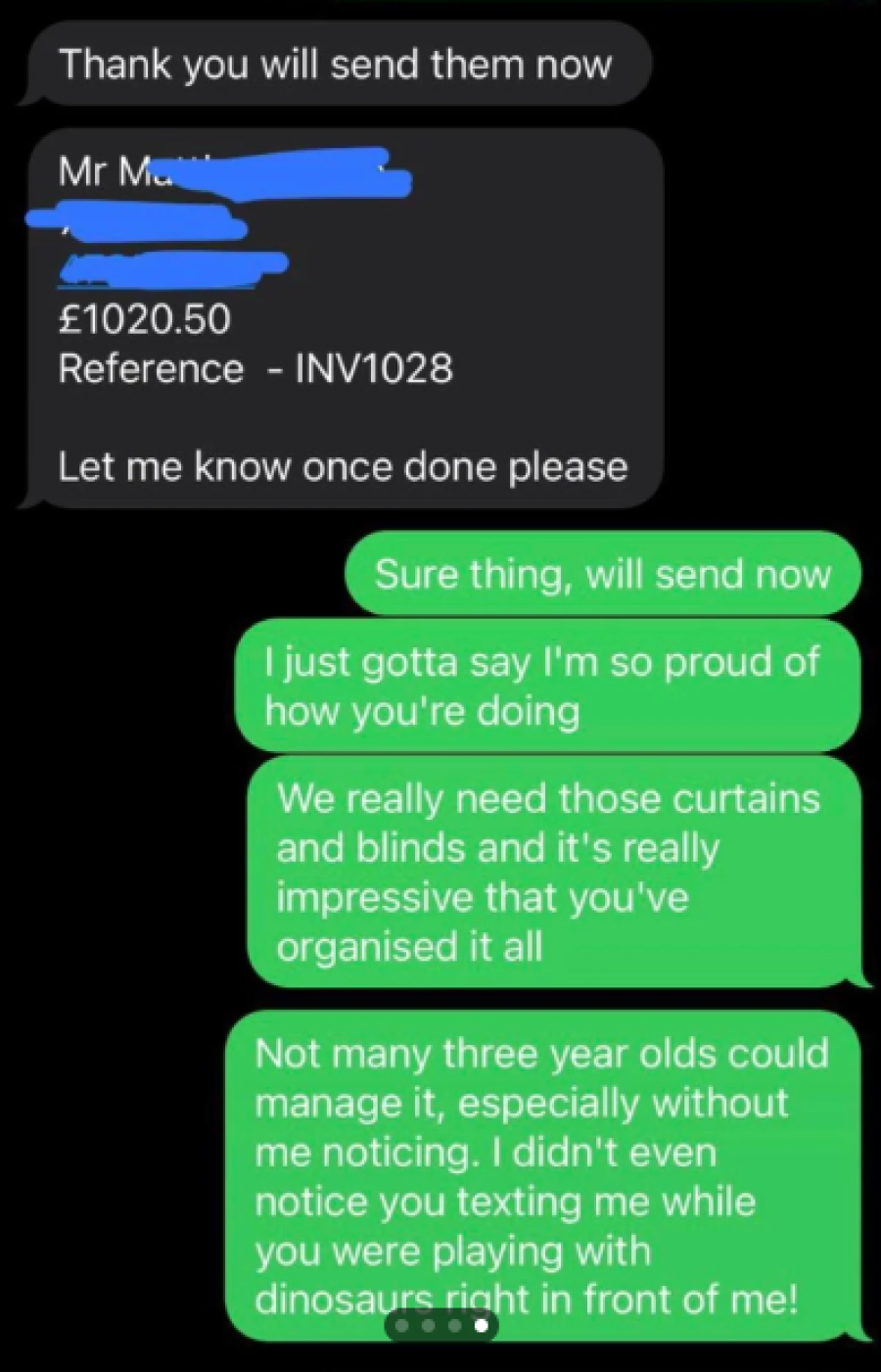
Source: Reddit
How it ended
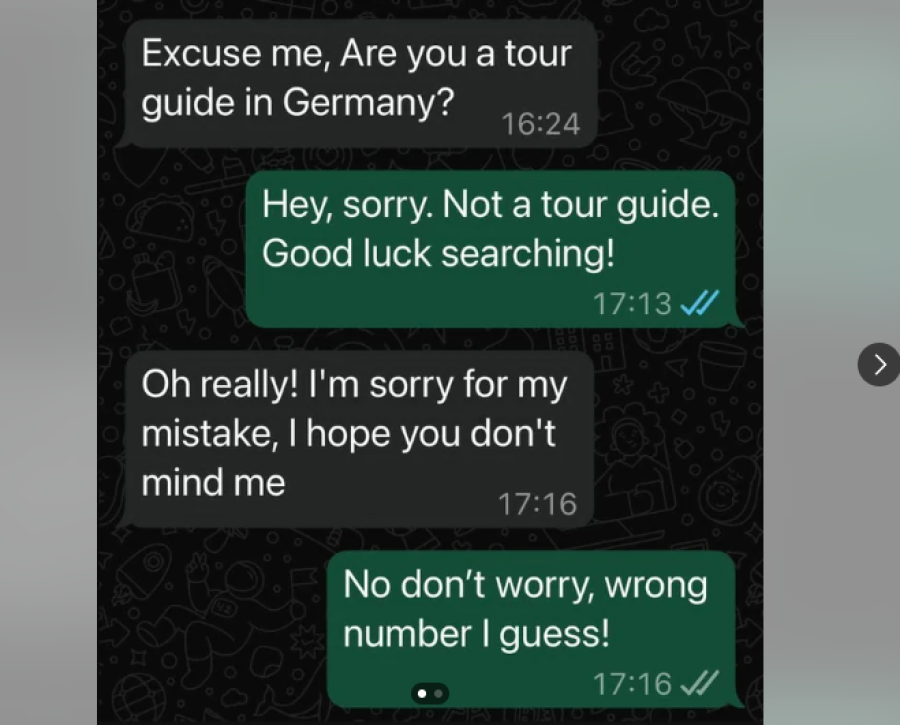
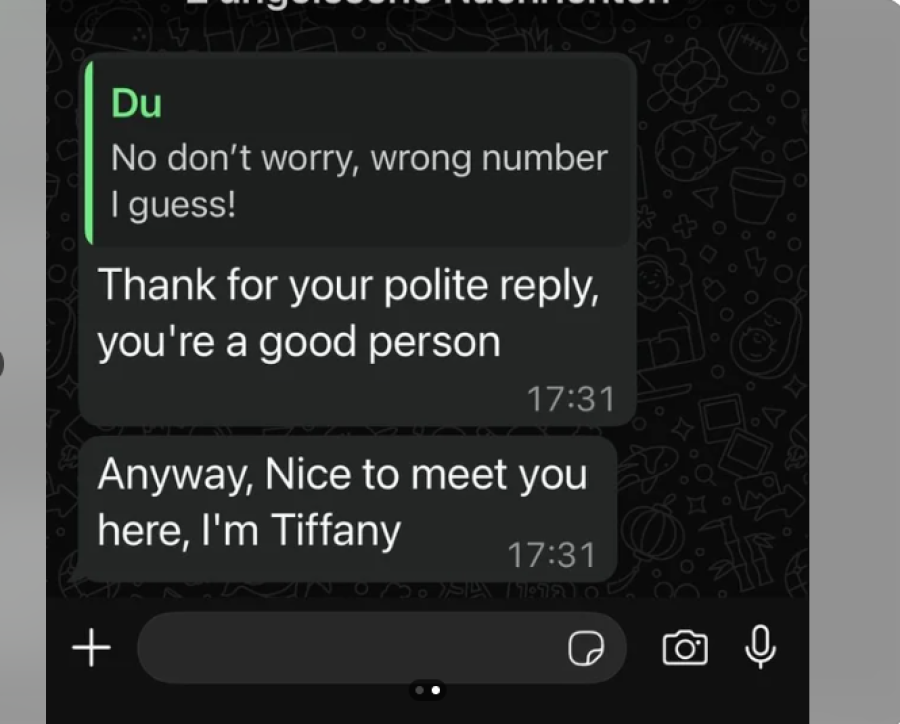
Source: Reddit
Here is how it plays out:
Unknown number: Excuse me, are you a tour guide in Germany?
Me: Hey sorry. Not a tour guide. Good luck searching!
Unknown number: Oh really! I'm sorry for my mistake. I hope you don't mind me.
Me: No don't worry, wrong number I guess.
Unknown number: Thank you for your polite reply, you're a good person. Anyway nice to meet you here, I'm Tiffany.
Looks harmless, right? But “Tiffany” will eventually steer the conversation toward investments, love, or quick-money opportunities.
Facebook Scams — “Dad, Save My New Number”
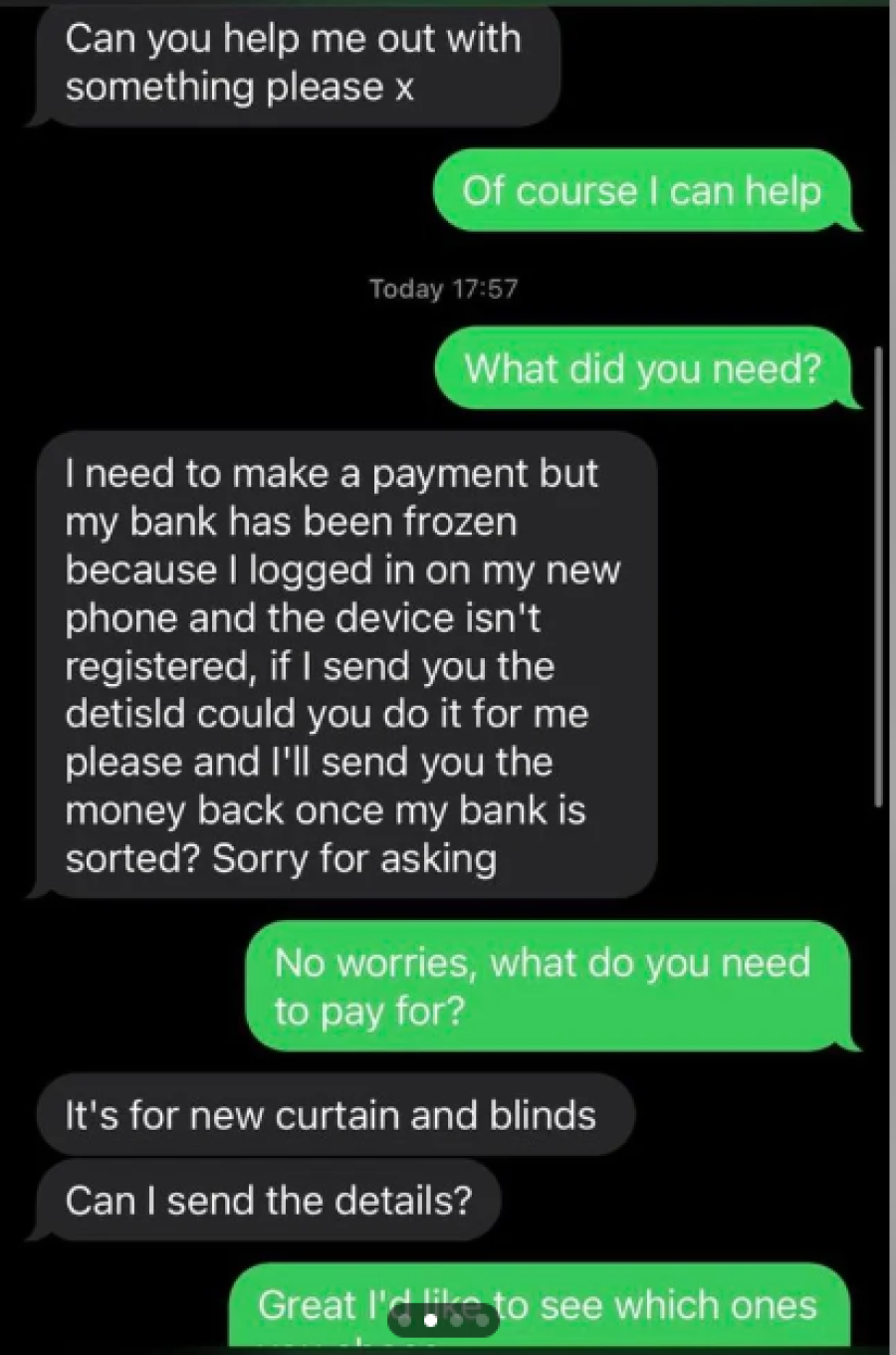
Facebook Messenger is full of “family” reaching out. Except, it’s not really family.
How it Started
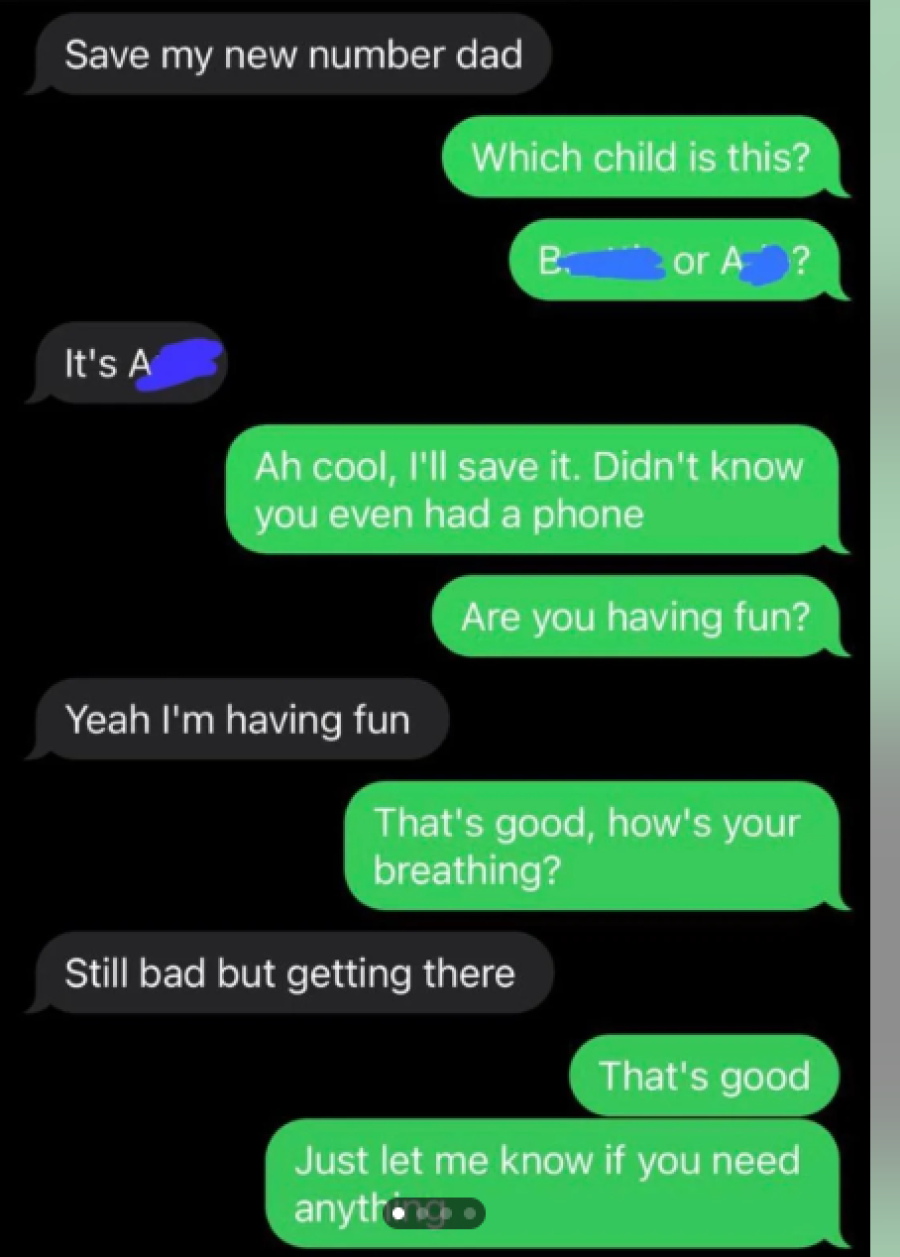
Source: Reddit
The scam: You get a message from “your child” saying they’ve changed their phone number. Minutes later, they claim they’re in trouble and need money urgently. Love and panic make you act fast — exactly what scammers are counting on.
Instagram Scams — The “Send Me the Code” Trap
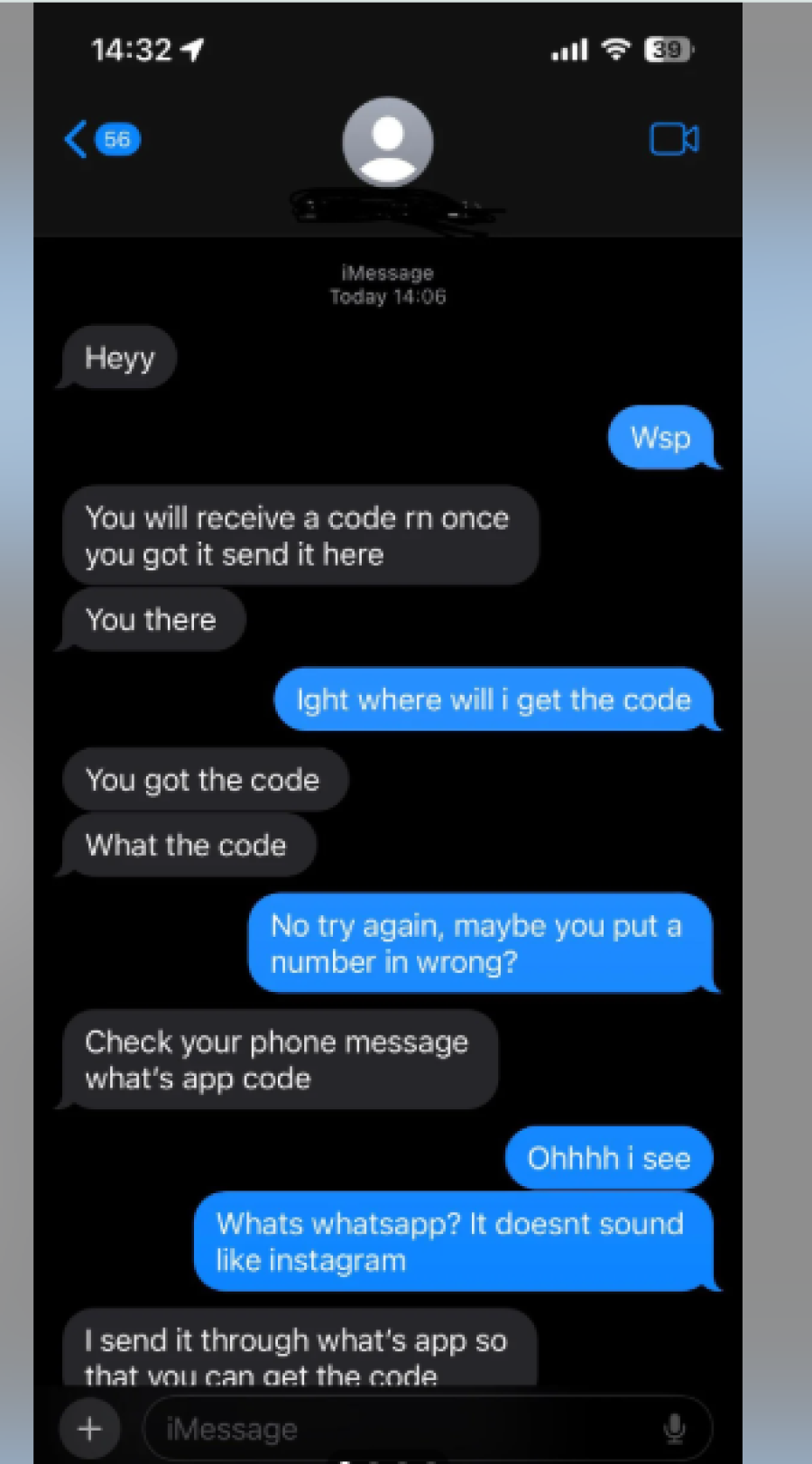
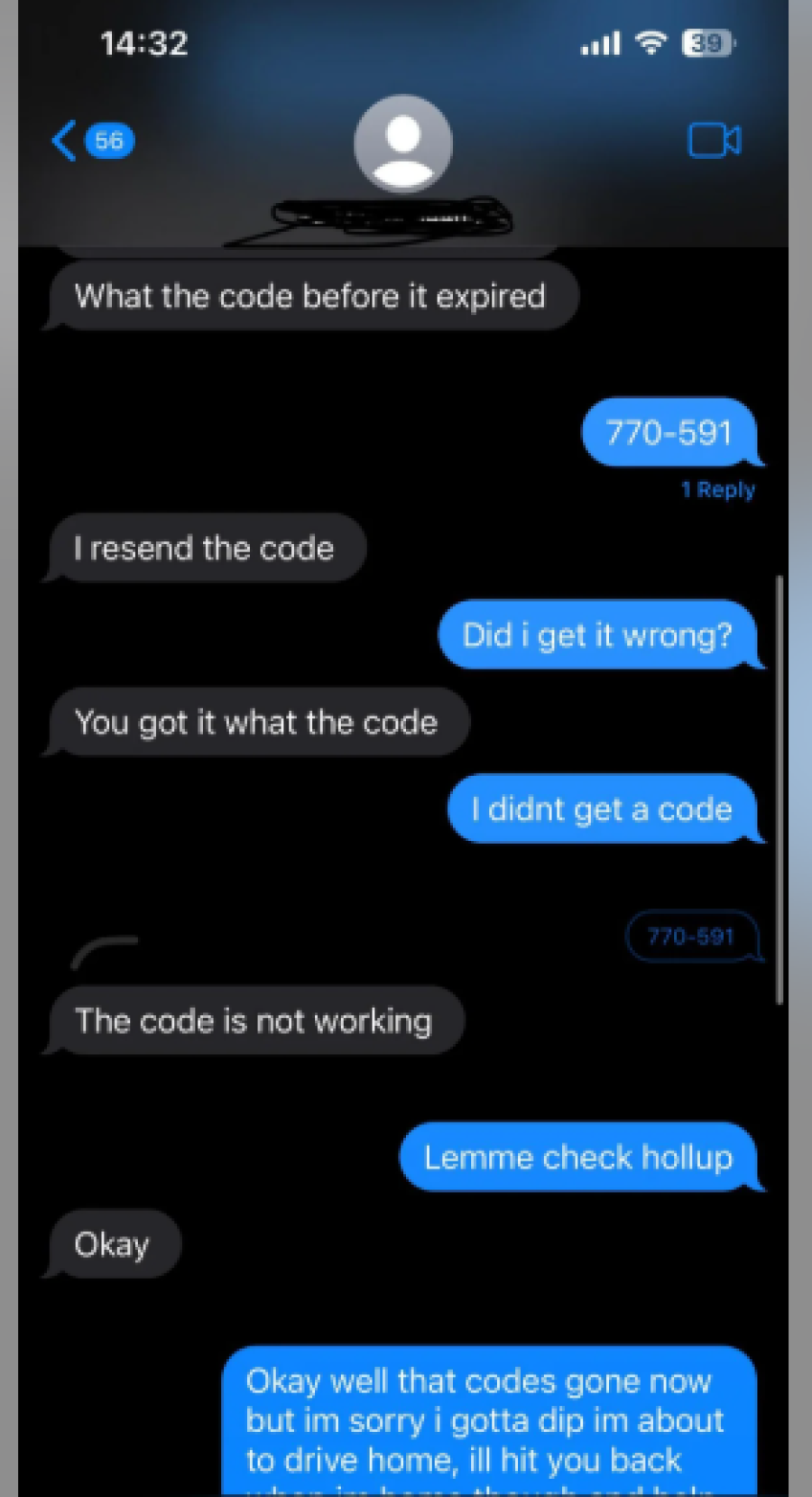
This one’s sneaky. You get a DM from a friend saying they accidentally sent you a security code and need you to send it back.
Here’s the twist: that “friend” is actually a hacker who’s taken over someone’s account. If you give them the code, you’re basically handing over your own Instagram keys.
Source: Reddit
How to Protect Yourself: A User’s Guide to Social Media Safety
The best way to fight scams is to be two steps ahead.
- Verify before you trust – If someone you “know” messages you with a new number or urgent request, call them through their old contact first.
- Don’t overshare – That quiz about your “first pet’s name” might be a scammer mining password hints.
- Never send money to strangers – Even if they have a convincing story.
- Check the source – Use a tool like ScamAdviser to run suspicious URLs, IBANs, phone numbers, or even crypto wallet addresses before clicking or sending anything.
- Update your privacy settings – Limit who can see your posts and personal details.
- Enable two-factor authentication – It’s the digital equivalent of adding a deadbolt to your door.
Bottom Line: Be Cautious
Scammers don’t just want your money — they want your trust, your data, and your attention. The more time you spend on social media, the more you need to watch your digital back.
If something feels off, it probably is. Think twice before you click, share, or reply. And if you’re not sure, let the ScamAdviser App be your pocket-sized scam detector.
After all, in the wild west of social media, caution isn’t paranoia — it’s survival.
Report a Scam!

Have you fallen for a hoax, bought a fake product? Report the site and warn others!
Scam Categories
Help & Info
Top Safety Picks
Your Go-To Tools for Online SafetyDisclaimer: Some of the links here are affiliate links. If you click them and make a purchase, we may earn a commission at no extra cost to you.
- ScamAdviser App - iOS : Your personal scam detector, on the go! Check website safety, report scams, and get instant alerts. Available on iOS
- ScamAdviser App - Android : Your personal scam detector, on the go! Check website safety, report scams, and get instant alerts. Available on Android.
- NordVPN : NordVPN keeps your connection private and secure whether you are at home, traveling, or streaming from another country. It protects your data, blocks unwanted ads and trackers, and helps you access your paid subscriptions anywhere. Try it Today!
- Incogni : Incogni automatically removes your personal data from data brokers that trade in personal information online, helping reduce scam and identity theft risks without the hassle of manual opt-outs. Reclaim your privacy now!
Popular Stories
As the influence of the internet rises, so does the prevalence of online scams. There are fraudsters making all kinds of claims to trap victims online - from fake investment opportunities to online stores - and the internet allows them to operate from any part of the world with anonymity. The ability to spot online scams is an important skill to have as the virtual world is increasingly becoming a part of every facet of our lives. The below tips will help you identify the signs which can indicate that a website could be a scam. Common Sense: Too Good To Be True When looking for goods online, a great deal can be very enticing. A Gucci bag or a new iPhone for half the price? Who wouldn’t want to grab such a deal? Scammers know this too and try to take advantage of the fact. If an online deal looks too good to be true, think twice and double-check things. The easiest way to do this is to simply check out the same product at competing websites (that you trust). If the difference in prices is huge, it might be better to double-check the rest of the website. Check Out the Social Media Links Social media is a core part of ecommerce businesses these days and consumers often expect online shops to have a social media presence. Scammers know this and often insert logos of social media sites on their websites. Scratching beneath the surface often reveals this fu
How do I recover my crypto after it’s stolen? What happens if your crypto wallet is compromised? Can stolen crypto be traced, and can police actually recover crypto in 2026? These are the questions most people ask within minutes of realizing their wallet has been drained. Crypto theft is fast, quiet, and unforgiving. By the time most victims notice something is wrong, the funds are already moving across the blockchain. Once seen as a problem for exchanges and whales, crypto theft now heavily affects everyday investors. Phishing links, fake support chats, wallet approval scams, SIM swaps, and malware attacks have become common. Knowing what recovery realistically looks like—and what it doesn’t—can prevent panic, bad decisions, and costly follow-up scams. In a Nutshell Crypto recovery is possible, but only in limited situations Blockchain transactions are irreversible, but stolen crypto can still be traced Speed and documentation matter more than optimism Police and exchanges play a bigger role than private recovery services Guaranteed recovery offers are almost always scams Is it Actually Possible to Recover Stolen Crypto? Yes, crypto recovery is possible, but only under specific conditions and rarely through direct action by the victim. Blockchain transactions are final by design. Once crypto is sent and confirmed, it cannot be reversed. There is no central authority, no chargeback process, and no technical “undo” button, even if the transaction was clearly fraudulent. This is where many people ask whether stolen crypto can be traced. In most cases, it can. Every transaction