
Deathbed Deceivers: Exposing the Unthinkable Funeral Scam

Author: Adam Colllins
Ladies and gentlemen, gather 'round for a tale that will make your blood boil and your eyebrows arch in disbelief. Indeed scammers are so shameless and heartless as they now target vulnerable souls who mourn the departure of their cherished ones. Funeral scams, though unthinkable, are becoming quite common
The audacious fraudsters often pose as funeral homes and demand huge payments, or else they cancel the funeral. There is no more disgusting behavior than this.
Read on to know how you can protect yourself and your loved ones during some of the most trying times in life.
How to Spot and Avoid Funeral Scams
Resist The Pressure to Act Immediately
It's extremely rare for legit businesses to pressure you to pay. Anyone who seeks to coerce, manipulate, or bulldoze you into immediate action is undoubtedly a scammer. One of the easiest ways to recognize a scammer is to check if they are trying to exploit your vulnerability by pressuring you into making immediate choices.
Honest businesses grant you the precious gift of time—a chance to deliberate, ponder, and decide. Anyone who does the contrary should be approached with caution.
Contact The Funeral Home Directly
In the event that you need to contact the funeral home, always reach out directly using a phone number that you know is legitimate. Avoid using any number provided in suspicious texts, emails, or phone calls from scammers.
To find the authentic contact information, refer to the official website or government registry. It holds the key to connecting with the right people and avoiding deceitful traps.
Tap The Help of Friends
When dealing with funeral arrangements, it can be beneficial to involve trusted friends or family members who can provide guidance and support. They can help you navigate the process, offer valuable advice, and act as an extra set of eyes and ears to detect any potential scams or fraudulent behavior.
Their input and perspective can help you make informed decisions and avoid falling victim to funeral home scammers.
Ask For Clear Documentation
When making arrangements with a funeral home, ensure that all agreements and pricing details are provided to you in writing. This includes the cost of each item or service, any additional fees or surcharges, and any guarantees or warranties.
Read the fine print carefully and ask for clarification if something is unclear or seems suspicious. As always, keep a record of all documents including receipts which may come in handy, should things go south.
Embrace Emotional Support
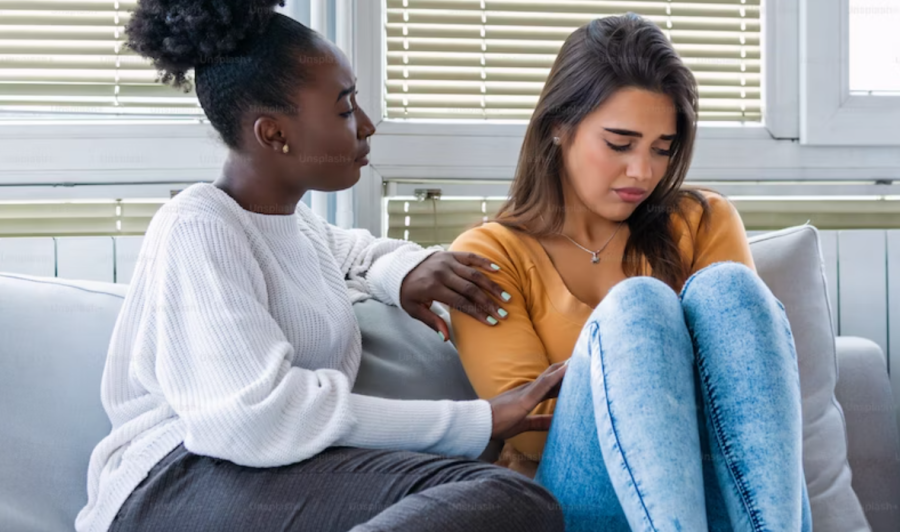
Source: unsplash.com
Grief can be an overwhelming and isolating experience. Reach out to friends, family, or support groups who can provide emotional support during this challenging time.
Sharing your feelings and experiences with others who have gone through similar situations can help you navigate the grieving process and avoid vulnerability to scams.
Be Aware of Common Funeral-related Scams
Educate yourself about common funeral-related scams to protect yourself and your loved ones. Some examples include exorbitant price markups, unnecessary add-on services, or pressure to purchase high-priced caskets or urns. By being aware of these scams, you can be more vigilant and recognize warning signs if they arise.
Be Cautious With Payment Methods
Scammers will often lure unsuspecting customers by including unsafe payment methods. Their main objective is to extract your money swiftly while making it difficult to trace and recover. To safeguard your finances, never comply with someone who insists on payment via wire transfer, cryptocurrency, or gift cards.
These methods allow funeral scammers to vanish into thin air, leaving you empty-handed and helpless. Additionally, be cautious of any request to deposit a check and then send money back to the sender. It's a trick designed to leave you in a financial bind. Stay wise and don't fall victim to their manipulative schemes.
Image source: unsplash.com
Report a Scam!

Have you fallen for a hoax, bought a fake product? Report the site and warn others!
Scam Categories
Help & Info
Top Safety Picks
Your Go-To Tools for Online SafetyDisclaimer: Some of the links here are affiliate links. If you click them and make a purchase, we may earn a commission at no extra cost to you.
- ScamAdviser App - iOS : Your personal scam detector, on the go! Check website safety, report scams, and get instant alerts. Available on iOS
- ScamAdviser App - Android : Your personal scam detector, on the go! Check website safety, report scams, and get instant alerts. Available on Android.
- NordVPN : NordVPN keeps your connection private and secure whether you are at home, traveling, or streaming from another country. It protects your data, blocks unwanted ads and trackers, and helps you access your paid subscriptions anywhere. Try it Today!
- Incogni : Incogni automatically removes your personal data from data brokers that trade in personal information online, helping reduce scam and identity theft risks without the hassle of manual opt-outs. Reclaim your privacy now!
Popular Stories
As the influence of the internet rises, so does the prevalence of online scams. There are fraudsters making all kinds of claims to trap victims online - from fake investment opportunities to online stores - and the internet allows them to operate from any part of the world with anonymity. The ability to spot online scams is an important skill to have as the virtual world is increasingly becoming a part of every facet of our lives. The below tips will help you identify the signs which can indicate that a website could be a scam. Common Sense: Too Good To Be True When looking for goods online, a great deal can be very enticing. A Gucci bag or a new iPhone for half the price? Who wouldn’t want to grab such a deal? Scammers know this too and try to take advantage of the fact. If an online deal looks too good to be true, think twice and double-check things. The easiest way to do this is to simply check out the same product at competing websites (that you trust). If the difference in prices is huge, it might be better to double-check the rest of the website. Check Out the Social Media Links Social media is a core part of ecommerce businesses these days and consumers often expect online shops to have a social media presence. Scammers know this and often insert logos of social media sites on their websites. Scratching beneath the surface often reveals this fu
How do I recover my crypto after it’s stolen? What happens if your crypto wallet is compromised? Can stolen crypto be traced, and can police actually recover crypto in 2026? These are the questions most people ask within minutes of realizing their wallet has been drained. Crypto theft is fast, quiet, and unforgiving. By the time most victims notice something is wrong, the funds are already moving across the blockchain. Once seen as a problem for exchanges and whales, crypto theft now heavily affects everyday investors. Phishing links, fake support chats, wallet approval scams, SIM swaps, and malware attacks have become common. Knowing what recovery realistically looks like—and what it doesn’t—can prevent panic, bad decisions, and costly follow-up scams. In a Nutshell Crypto recovery is possible, but only in limited situations Blockchain transactions are irreversible, but stolen crypto can still be traced Speed and documentation matter more than optimism Police and exchanges play a bigger role than private recovery services Guaranteed recovery offers are almost always scams Is it Actually Possible to Recover Stolen Crypto? Yes, crypto recovery is possible, but only under specific conditions and rarely through direct action by the victim. Blockchain transactions are final by design. Once crypto is sent and confirmed, it cannot be reversed. There is no central authority, no chargeback process, and no technical “undo” button, even if the transaction was clearly fraudulent. This is where many people ask whether stolen crypto can be traced. In most cases, it can. Every transaction