
Crow's Snowy Slide Clip is Real or Fake? Did Crow Really Slide Down the Snowy Roof With a Lid?
Author: De-Reviews.com Team
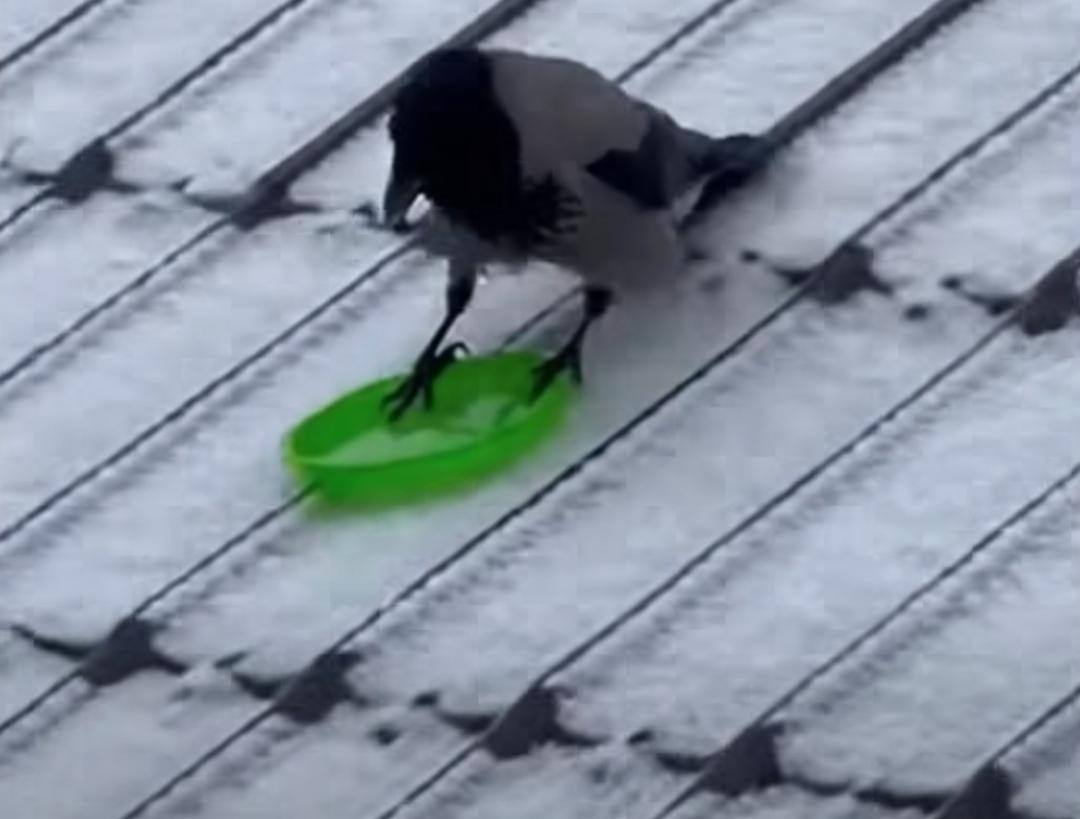
Recently, a surprising trend has captured the attention of social media users worldwide. Videos showing crows sliding down snowy roofs using lids have gone viral on Facebook, Instagram, and TikTok. At first glance, the clips look adorable, funny, and almost unbelievable. But a big question is: can a crow really perform such a trick in real life?
What’s Actually Shown in the Video?
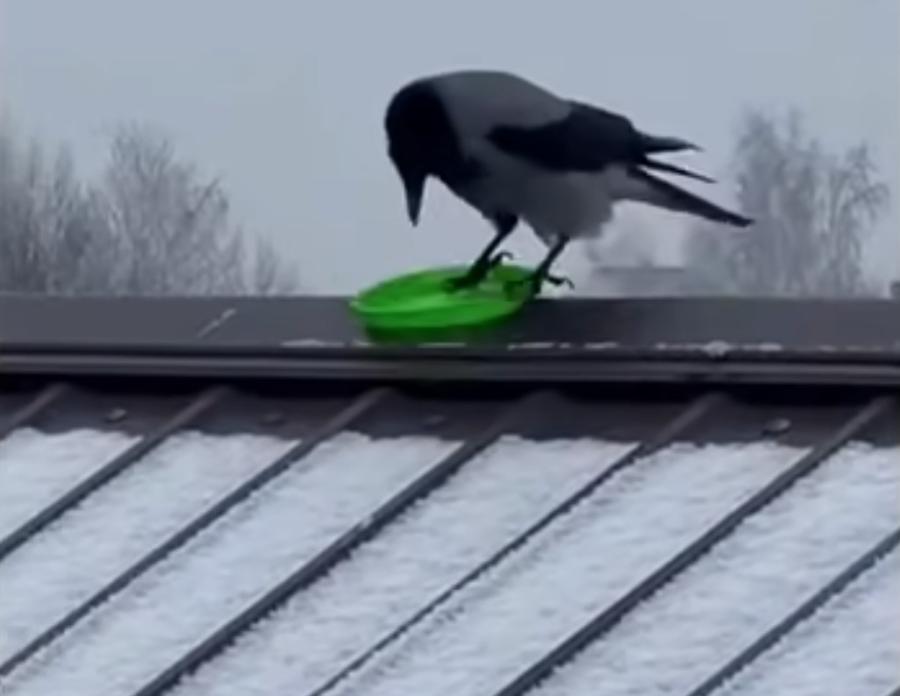
In many videos, a crow seems to place a lid under its feet and slide down a snowy roof, almost like a tiny snowboarder. People are sharing these videos widely, commenting on how clever or entertaining the birds seem to be.
But when multiple videos show the same behavior repeatedly, it raises a natural question, i.e. is this real, or something else is going on? To satisfy your curiosity and solve this mystery, we are here to reveal the truth behind these viral clips.
Popular Videos Fuel the Buzz:
One of the most viral clips comes from the Facebook account, "Fabiosa GRL". This particular video shows a crow sliding down a snow covered roof using a lid and has gained thousands of views and shares. Many viewers are amazed, with comments ranging from disbelief to laughter.
Other similar clips have appeared across various accounts, some with enhanced sound effects, slow motion, or playful music, which makes them even more entertaining. The combination of realistic visuals and shareable content has made these videos highly viral.
Why These Videos Seem So Real?
There are several reasons why people are convinced these clips are real such as:
- Familiar Animal Behavior: Crows are known for being clever and playful, so viewers find it plausible that they could perform tricks like sliding on snow.
- Entertaining Content: The videos are fun and unusual, making people more willing to accept them without questioning authenticity.
- High Visual Quality: Smooth animation and realistic movements enhance believability.
- Shared by Many: Multiple people share these videos claiming they are real, which makes others more likely to believe them.
It’s easy to see why people are sharing these videos without questioning them. They are fun, relatable, and seem real at first glance.
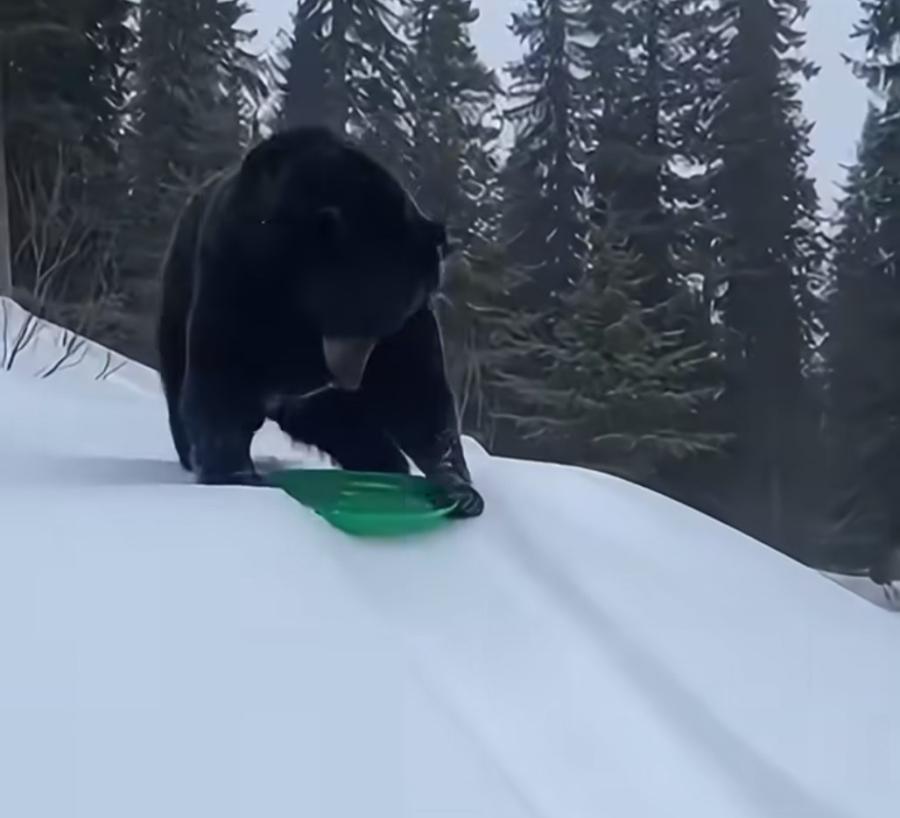
Interestingly, this trend isn’t limited to crows. There are now videos of bears sliding down snowy hills with lids, adding to the growing fascination with animals seemingly having fun in snow.
Fact Checking:
When we examine these videos more closely, some interesting patterns are found such as:
Video Source:
The viral "Fabiosa GRL" video clearly states in the description that it was created using Kling AI, an AI video generation tool.
Repeated Behavior:
Multiple crows performing almost identical tricks in different videos is highly unlikely in real life.
Visual and Audio Clues:
Some clips have slightly unnatural movements, repeated angles, or sound effects that don’t align with real world physics.
Lack of Real World Capture:
Despite the popularity of these clips, no authentic footage from wildlife documentaries or credible observers has captured a crow actually sliding with a lid.
AI Generation Signs:
In some clips, subtle visual artifacts, slightly jerky frames, or unnatural movements & lighting are clear signs of AI-generated content even though the creators do not disclose it.
Creator Disclosure:
Many similar video creators openly mention in descriptions that their content is AI-generated, confirming the origin for those who check.
The Truth:
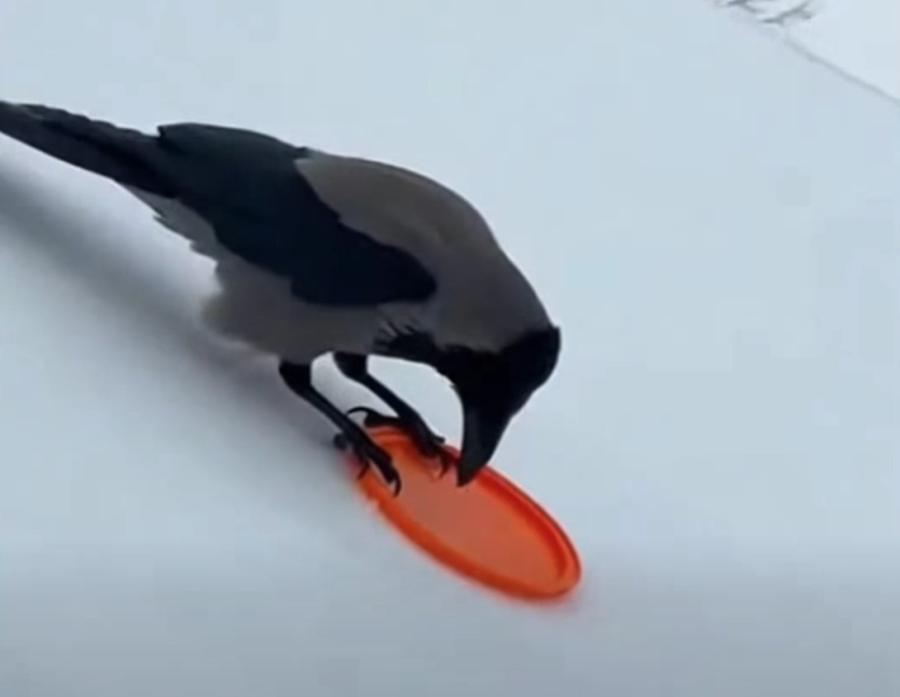
After fact checking, it is clear that these snowy sliding crows are not performing these tricks in reality as these videos are AI-generated content but not the real life events. The videos are entertaining examples of how AI technology can create realistic, visually convincing yet fictional animal behavior. While the clips are fun and shareable, the behavior hasn’t been observed in real life or captured authentically on camera.
So, next time you see a crow or bear sliding down a roof or hill, enjoy the clip and laugh, but make sure to check if it’s real as most of these videos are AI-made, not actual animals playing around.
Report a Scam!

Have you fallen for a hoax, bought a fake product? Report the site and warn others!
Scam Categories
Help & Info
Top Safety Picks
Your Go-To Tools for Online Safety
- ScamAdviser App - iOS : Your personal scam detector, on the go! Check website safety, report scams, and get instant alerts. Available on iOS
- ScamAdviser App - Android : Your personal scam detector, on the go! Check website safety, report scams, and get instant alerts. Available on Android.
- NordVPN : NordVPN keeps your connection private and secure whether you are at home, traveling, or streaming from another country. It protects your data, blocks unwanted ads and trackers, and helps you access your paid subscriptions anywhere. Try it Today!
Popular Stories
As the influence of the internet rises, so does the prevalence of online scams. There are fraudsters making all kinds of claims to trap victims online - from fake investment opportunities to online stores - and the internet allows them to operate from any part of the world with anonymity. The ability to spot online scams is an important skill to have as the virtual world is increasingly becoming a part of every facet of our lives. The below tips will help you identify the signs which can indicate that a website could be a scam. Common Sense: Too Good To Be True When looking for goods online, a great deal can be very enticing. A Gucci bag or a new iPhone for half the price? Who wouldn’t want to grab such a deal? Scammers know this too and try to take advantage of the fact. If an online deal looks too good to be true, think twice and double-check things. The easiest way to do this is to simply check out the same product at competing websites (that you trust). If the difference in prices is huge, it might be better to double-check the rest of the website. Check Out the Social Media Links Social media is a core part of ecommerce businesses these days and consumers often expect online shops to have a social media presence. Scammers know this and often insert logos of social media sites on their websites. Scratching beneath the surface often reveals this fu
Disclaimer: This article was originally published in 2018 and has been updated in October 2025 to reflect more current information, resources, and advice. Scams and recovery options continue to evolve, so always double-check with your bank, payment provider, or local consumer protection authority for the latest guidance. So the worst has come to pass - you realise you parted with your money too fast, and the site you used was a scam - what now? Well first of all, don’t despair!! If you think you have been scammed, the first port of call when having an issue is to simply ask for a refund. This is the first and easiest step to determine whether you are dealing with a genuine company or scammers. Sadly, getting your money back from a scammer is not as simple as just asking. If you are indeed dealing with scammers, the procedure (and chance) of getting your money back varies depending on the payment method you used. PayPal Debit card/Credit card Bank transfer Wire transfer Google Pay Bitcoin PayPal Good news: PayPal gives you strong protection. You can file a dispute within 180 days of your purchase. You can get a refund if: Your order never arrives, and the seller cannot provide proof of delivery. The scammer sends you something completely different (e.g., a controller instead of a PlayStation). The product condition was misrepresented (sold as new but arrives used). The item is missing undisclosed parts. The item is counterfeit. Start your claim directly through Pay