
Amitabh Bachchan Death News is Real or Fake? Bollywood Star Amitabh Bachchan is Alive or Dead?
Author: De-Reviews.com Team
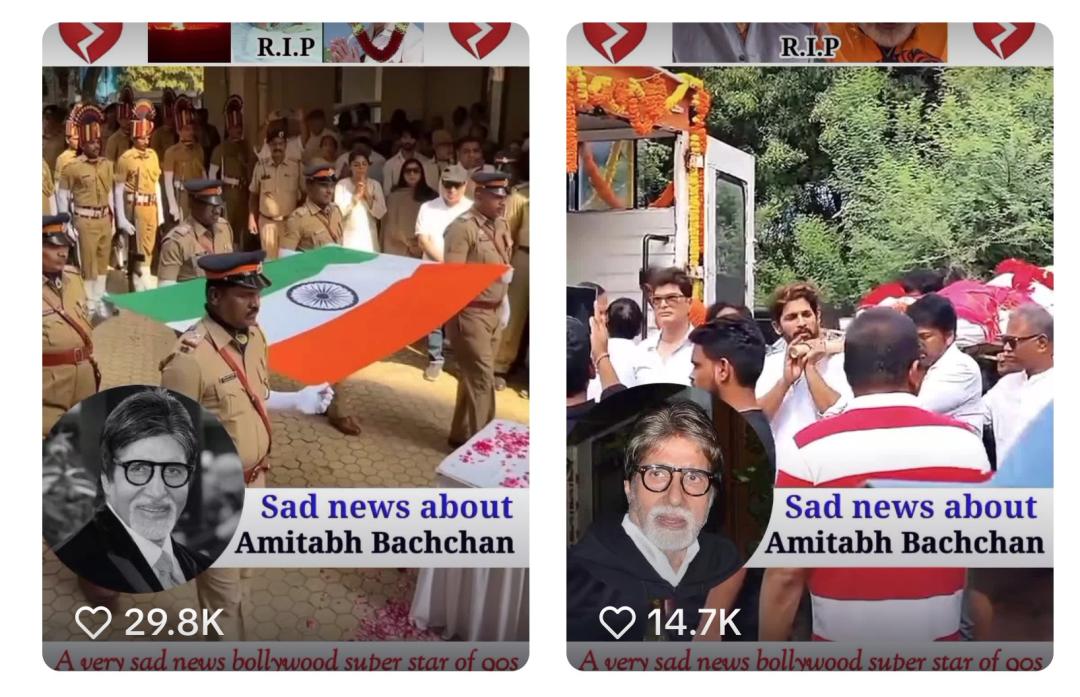
Recently, the internet has been buzzing with shocking news. Amitabh Bachchan, the legendary Bollywood actor, is allegedly dead. Social media posts, WhatsApp forwards, and even some blogs claim that the star has passed away. As soon as these rumors spread, millions of fans were left stunned, worried, and searching for answers. But is there any truth behind these alarming claims?
The Rise of the Rumor:
The story seems convincing at first glance. Some posts even use fake images and misleading headlines to make it appear real. Fans quickly share these posts in panic, leading to widespread confusion. Within hours, hashtags like #RIPAmitabhBachchan started trending online, creating a wave of anxiety among Bollywood lovers.
Fake death news is unfortunately common in the digital age. Over the years, many celebrities, including Shah Rukh Khan, Salman Khan, and international stars like Jackie Chan, Tom Hanks, Morgan Freeman, and Taylor Swift, have been victims of similar hoaxes. The thrill of breaking “Big News” often leads people to share posts without checking their authenticity and sources.
Why This Hoax Feels Real?
Several factors make such news convincing, such as:
- Clickbait Headlines: Websites and social media pages use shocking titles to get attention.
- Fake Images: Some posts even use images of other celebrities' real incidents to create a false sense of authenticity.
- Viral Nature: Once a post goes viral, fear spreads faster than the truth. Fans immediately react emotionally, amplifying the rumor.
These elements create the illusion that something tragic has happened, and it becomes easy for panic to take over rational thinking.

How to Check if the News is True?
Before believing or sharing any shocking news, it’s important to verify few facts such as:
- Look for reports on credible news sources or official sources.
- Check official social media accounts of the celebrity for updates.
- Verify on Wikipedia, which is promptly updated by editors.
Interestingly, despite all the chaos online, Wikipedia has not updated Amitabh Bachchan’s page with any news of his death. For a celebrity of his stature, such a delay would be nearly impossible if the news were true.
The Reality Behind the Rumors:
After carefully examining multiple sources, it becomes clear that these rumors are completely false. Amitabh Bachchan is alive, healthy, and active in his work. No credible news source has reported otherwise, and even Wikipedia reflects the same.

Why We Should Be Cautious?
This incident is a reminder of how fast misinformation spreads online. In the age of social media, shocking news can go viral in minutes, causing unnecessary panic and distress. Always verify information with trusted sources before believing or sharing it.
Conclusion:
So, is Amitabh Bachchan dead? Absolutely not. The rumors about his death are nothing more than baseless hoaxes designed to go viral. He is alive, well, and continues to be the legendary actor fans have admired for decades. Next time you come across shocking news about a celebrity, take a moment to verify before sharing, and don’t fall prey to social media panic.
Report a Scam!

Have you fallen for a hoax, bought a fake product? Report the site and warn others!
Scam Categories
Help & Info
Top Safety Picks
Your Go-To Tools for Online SafetyDisclaimer: Some of the links here are affiliate links. If you click them and make a purchase, we may earn a commission at no extra cost to you.
- ScamAdviser App - iOS : Your personal scam detector, on the go! Check website safety, report scams, and get instant alerts. Available on iOS
- ScamAdviser App - Android : Your personal scam detector, on the go! Check website safety, report scams, and get instant alerts. Available on Android.
- NordVPN : NordVPN keeps your connection private and secure whether you are at home, traveling, or streaming from another country. It protects your data, blocks unwanted ads and trackers, and helps you access your paid subscriptions anywhere. Try it Today!
- Incogni : Incogni automatically removes your personal data from data brokers that trade in personal information online, helping reduce scam and identity theft risks without the hassle of manual opt-outs. Reclaim your privacy now!
Popular Stories
As the influence of the internet rises, so does the prevalence of online scams. There are fraudsters making all kinds of claims to trap victims online - from fake investment opportunities to online stores - and the internet allows them to operate from any part of the world with anonymity. The ability to spot online scams is an important skill to have as the virtual world is increasingly becoming a part of every facet of our lives. The below tips will help you identify the signs which can indicate that a website could be a scam. Common Sense: Too Good To Be True When looking for goods online, a great deal can be very enticing. A Gucci bag or a new iPhone for half the price? Who wouldn’t want to grab such a deal? Scammers know this too and try to take advantage of the fact. If an online deal looks too good to be true, think twice and double-check things. The easiest way to do this is to simply check out the same product at competing websites (that you trust). If the difference in prices is huge, it might be better to double-check the rest of the website. Check Out the Social Media Links Social media is a core part of ecommerce businesses these days and consumers often expect online shops to have a social media presence. Scammers know this and often insert logos of social media sites on their websites. Scratching beneath the surface often reveals this fu
How do I recover my crypto after it’s stolen? What happens if your crypto wallet is compromised? Can stolen crypto be traced, and can police actually recover crypto in 2026? These are the questions most people ask within minutes of realizing their wallet has been drained. Crypto theft is fast, quiet, and unforgiving. By the time most victims notice something is wrong, the funds are already moving across the blockchain. Once seen as a problem for exchanges and whales, crypto theft now heavily affects everyday investors. Phishing links, fake support chats, wallet approval scams, SIM swaps, and malware attacks have become common. Knowing what recovery realistically looks like—and what it doesn’t—can prevent panic, bad decisions, and costly follow-up scams. In a Nutshell Crypto recovery is possible, but only in limited situations Blockchain transactions are irreversible, but stolen crypto can still be traced Speed and documentation matter more than optimism Police and exchanges play a bigger role than private recovery services Guaranteed recovery offers are almost always scams Is it Actually Possible to Recover Stolen Crypto? Yes, crypto recovery is possible, but only under specific conditions and rarely through direct action by the victim. Blockchain transactions are final by design. Once crypto is sent and confirmed, it cannot be reversed. There is no central authority, no chargeback process, and no technical “undo” button, even if the transaction was clearly fraudulent. This is where many people ask whether stolen crypto can be traced. In most cases, it can. Every transaction