
10 Tips for Protecting Your Social Security Number
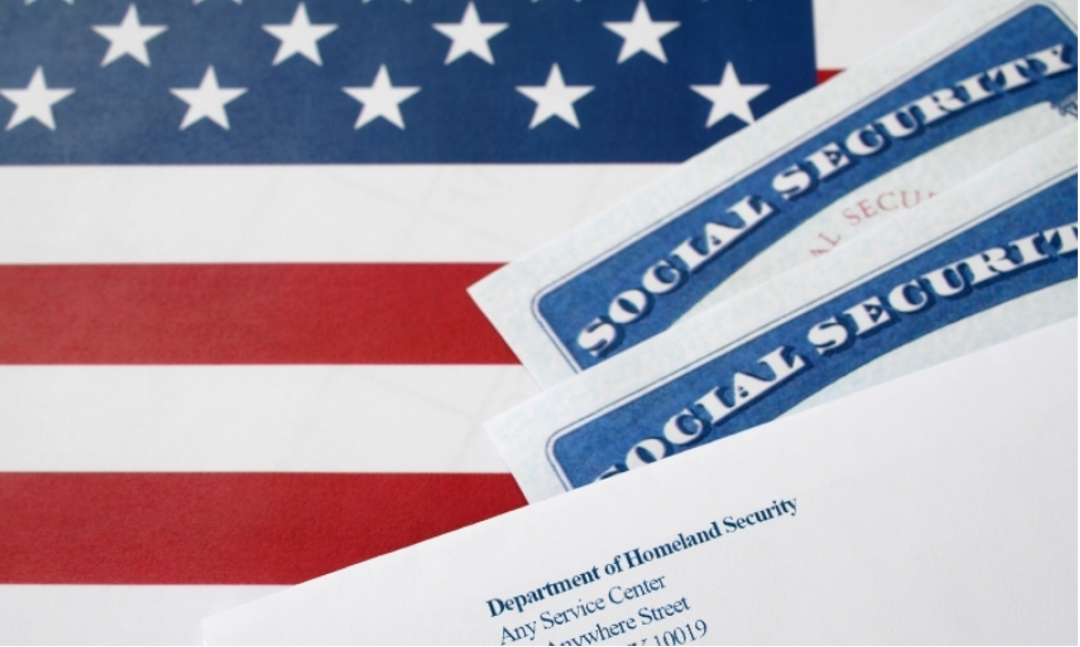
Author: Trend Micro
This article is from Trend Micro.
Over 800 thousand Americans were the victims of identity theft throughout the first half of 2021, and a large portion of those crimes were committed using stolen Social Security numbers (SSN). Social Security numbers are highly sought-after by criminals because they can be used to commit lots of different types of fraud and identity theft. If your Social Security number were to fall into the hands of a criminal, here are some of the things they could potentially do with it:
- Take out new credit cards under your name.
- Steal your tax refund.
- Take out money from your banking or investment accounts.
- Open new utility or telecom accounts under your name.
- Get medical treatment under your name.
Fortunately, however, there are things you can do to ensure that you’re as protected as possible against SSN-related identity theft. Here are our top ten tips to follow:
#1 — Don’t give it out unless necessary
Questioning why somebody needs your SSN is a great habit to get into. It’s standard to need to provide it to your bank or employer, but there aren’t too many other situations that will require it. If someone asks for your SSN, ask them what exactly it will be used for and whether or not you can provide an alternative form of identification instead.
#2 — Use ID Security
Trend Micro™ ID Security can monitor the internet and the dark web for your personal data 24/7! The app can check if your SSN has been leaked, in addition to lots of other data like your email address, credit card numbers, driver’s license number, and more.
Data leaks and breaches happen much more often than people realize, but by having a solid personal data monitoring service like ID Security on your side, you’ll be able to take the appropriate action as quickly as possible if anything undesirable were to happen to your personal data.
To read more about ID Security, click the button below:
#3 — Watch out for scams
Identity thieves are always fishing for new victims, normally by using phone, email, and SMS scams. They will often pretend to be your employer, a representative of a respected company, or a government official. They might try to scare you into handing over your SSN by threatening to close your bank account, withhold your salary, or whatever else they think you might fall for — and they can be creative, too.
To combat these scams, you should avoid sharing your SSN with anyone unless you are 100% sure that they are who they say they are. It’s best practice to always call up the organization directly using the contact number on its official website. This way you can be sure that you’re not being scammed.
#4 — Commit your SSN to memory
If you’ve got your SSN seared into your brain it means you don’t have to carry your card or keep writing the number down onto scrap bits of paper. You’ll always have it to hand if you need it, but you won’t have to worry about potentially losing it. Those scraps of paper are far too easy to misplace, too.
#5 — Keep an eye on your accounts and credit score
If your SSN has fallen into the wrong hands, it’s quite likely that there will be some unusual and unlawful activity with your bank accounts. Measures might be in place by default, but check with your banks that any strange use of your accounts — withdrawals or purchases over a specific amount, for example — will be flagged for usual activity.
You should keep a watchful eye out for changes in your credit score, too. You can do this by checking your credit report. You’re entitled to a credit report every 12 months from each of the three major credit reporting agencies, free of charge. Click here to learn more.
#6 — Create a my Social Security account
Creating a my Social Security account is fast and easy. You can use your account to request a replacement Social Security card, check the status of an application, estimate future benefits, or manage existing benefits. What’s best of all though, is that by creating an account yourself, you stop cybercriminals from creating one using your SSN.
#7 — Be careful when using electronic devices
There are extra risks that come with sharing your SSN using an electronic device — via email, text message, or voicemail, for example. Although you might think it would be fairly unlikely, your message could be intercepted and your SSN could end up in the hands of criminals. When possible, it is best to share your SSN with others face to face.
#8 — Create strong passwords
Never, ever use your SSN, or any part of it, as a password. Whether an online account is linked to your SSN or not, you should follow good password practices. Don’t use the same password twice, don’t use common passwords such as 12345 or password123, and refrain from only changing one character when you update your password.
For more password creation tips, click here.
#9 — Store your SSN card somewhere safe
This one ties in really nicely with tip number four. If you’ve got your SSN committed to memory, it means you can store it somewhere super secure. You could keep it locked away in a safe or lock box, for example. Although pretty much anywhere is safer than walking around with it in your wallet or purse.
#10 — Shred what’s secure
Shredding documents containing any of your personal information (not just your SSN) is a smart thing to do. By not shredding them, you make it super easy for would-be identity thieves to rifle through your trash — either from outside your home or at a landfill — and steal lots of your sensitive data.
Claim your free trial today
Download ID Security and claim your free 30-day trial by clicking here or scanning the QR code below:
Learn more about ID Security by clicking the button below:
Report a Scam!

Have you fallen for a hoax, bought a fake product? Report the site and warn others!
Scam Categories
Help & Info
Top Safety Picks
Your Go-To Tools for Online SafetyDisclaimer: Some of the links here are affiliate links. If you click them and make a purchase, we may earn a commission at no extra cost to you.
- ScamAdviser App - iOS : Your personal scam detector, on the go! Check website safety, report scams, and get instant alerts. Available on iOS
- ScamAdviser App - Android : Your personal scam detector, on the go! Check website safety, report scams, and get instant alerts. Available on Android.
- NordVPN : NordVPN keeps your connection private and secure whether you are at home, traveling, or streaming from another country. It protects your data, blocks unwanted ads and trackers, and helps you access your paid subscriptions anywhere. Try it Today!
- Incogni : Incogni automatically removes your personal data from data brokers that trade in personal information online, helping reduce scam and identity theft risks without the hassle of manual opt-outs. Reclaim your privacy now!
Popular Stories
As the influence of the internet rises, so does the prevalence of online scams. There are fraudsters making all kinds of claims to trap victims online - from fake investment opportunities to online stores - and the internet allows them to operate from any part of the world with anonymity. The ability to spot online scams is an important skill to have as the virtual world is increasingly becoming a part of every facet of our lives. The below tips will help you identify the signs which can indicate that a website could be a scam. Common Sense: Too Good To Be True When looking for goods online, a great deal can be very enticing. A Gucci bag or a new iPhone for half the price? Who wouldn’t want to grab such a deal? Scammers know this too and try to take advantage of the fact. If an online deal looks too good to be true, think twice and double-check things. The easiest way to do this is to simply check out the same product at competing websites (that you trust). If the difference in prices is huge, it might be better to double-check the rest of the website. Check Out the Social Media Links Social media is a core part of ecommerce businesses these days and consumers often expect online shops to have a social media presence. Scammers know this and often insert logos of social media sites on their websites. Scratching beneath the surface often reveals this fu
How do I recover my crypto after it’s stolen? What happens if your crypto wallet is compromised? Can stolen crypto be traced, and can police actually recover crypto in 2026? These are the questions most people ask within minutes of realizing their wallet has been drained. Crypto theft is fast, quiet, and unforgiving. By the time most victims notice something is wrong, the funds are already moving across the blockchain. Once seen as a problem for exchanges and whales, crypto theft now heavily affects everyday investors. Phishing links, fake support chats, wallet approval scams, SIM swaps, and malware attacks have become common. Knowing what recovery realistically looks like—and what it doesn’t—can prevent panic, bad decisions, and costly follow-up scams. In a Nutshell Crypto recovery is possible, but only in limited situations Blockchain transactions are irreversible, but stolen crypto can still be traced Speed and documentation matter more than optimism Police and exchanges play a bigger role than private recovery services Guaranteed recovery offers are almost always scams Is it Actually Possible to Recover Stolen Crypto? Yes, crypto recovery is possible, but only under specific conditions and rarely through direct action by the victim. Blockchain transactions are final by design. Once crypto is sent and confirmed, it cannot be reversed. There is no central authority, no chargeback process, and no technical “undo” button, even if the transaction was clearly fraudulent. This is where many people ask whether stolen crypto can be traced. In most cases, it can. Every transaction